Workers
Afghanistan, 2014
To work.
Its shape changes with country, region, surroundings and culture, and its meaning grows uncertain.
Is it earning money, serving society, or simply living itself? Some hesitation seems inevitable.
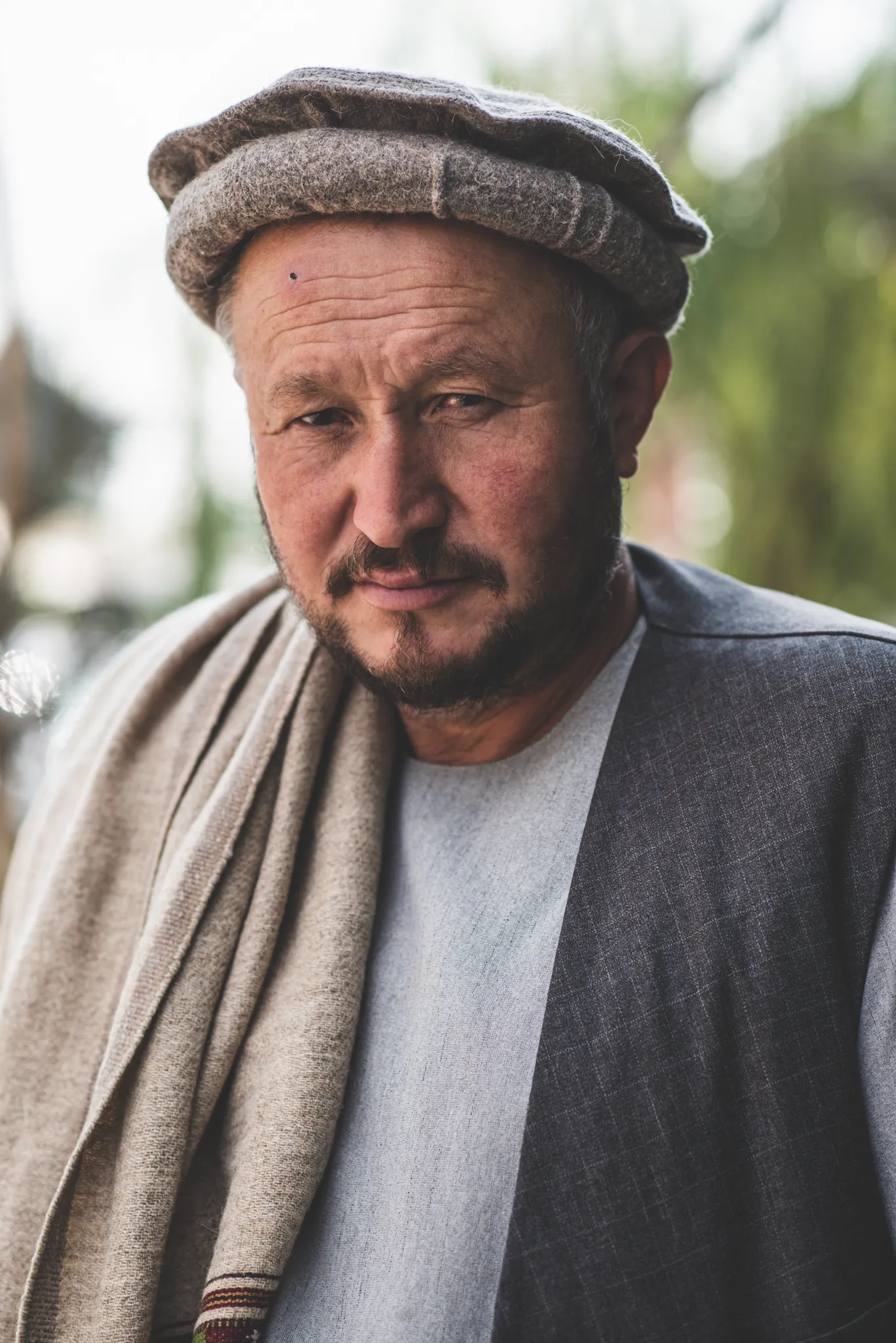
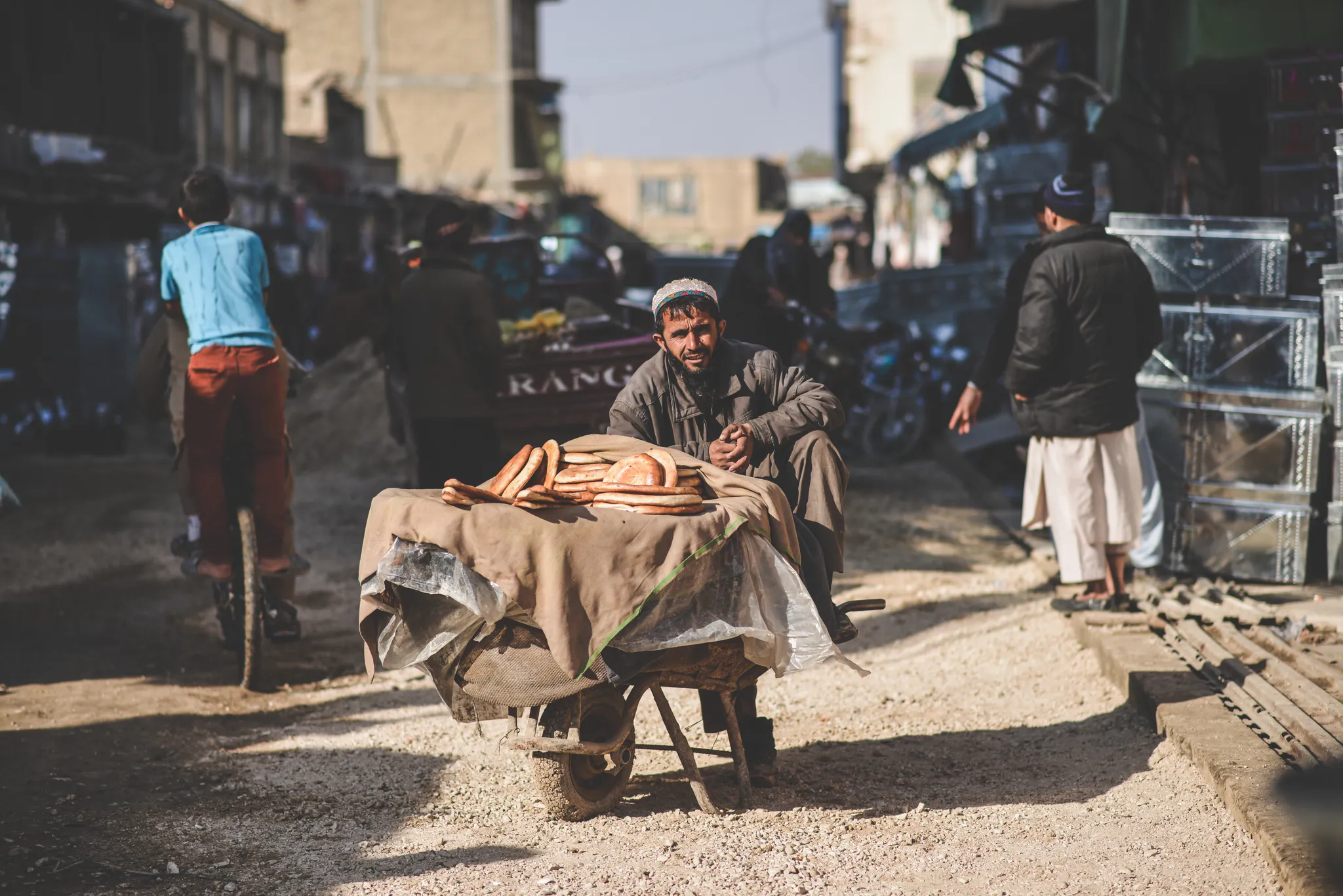
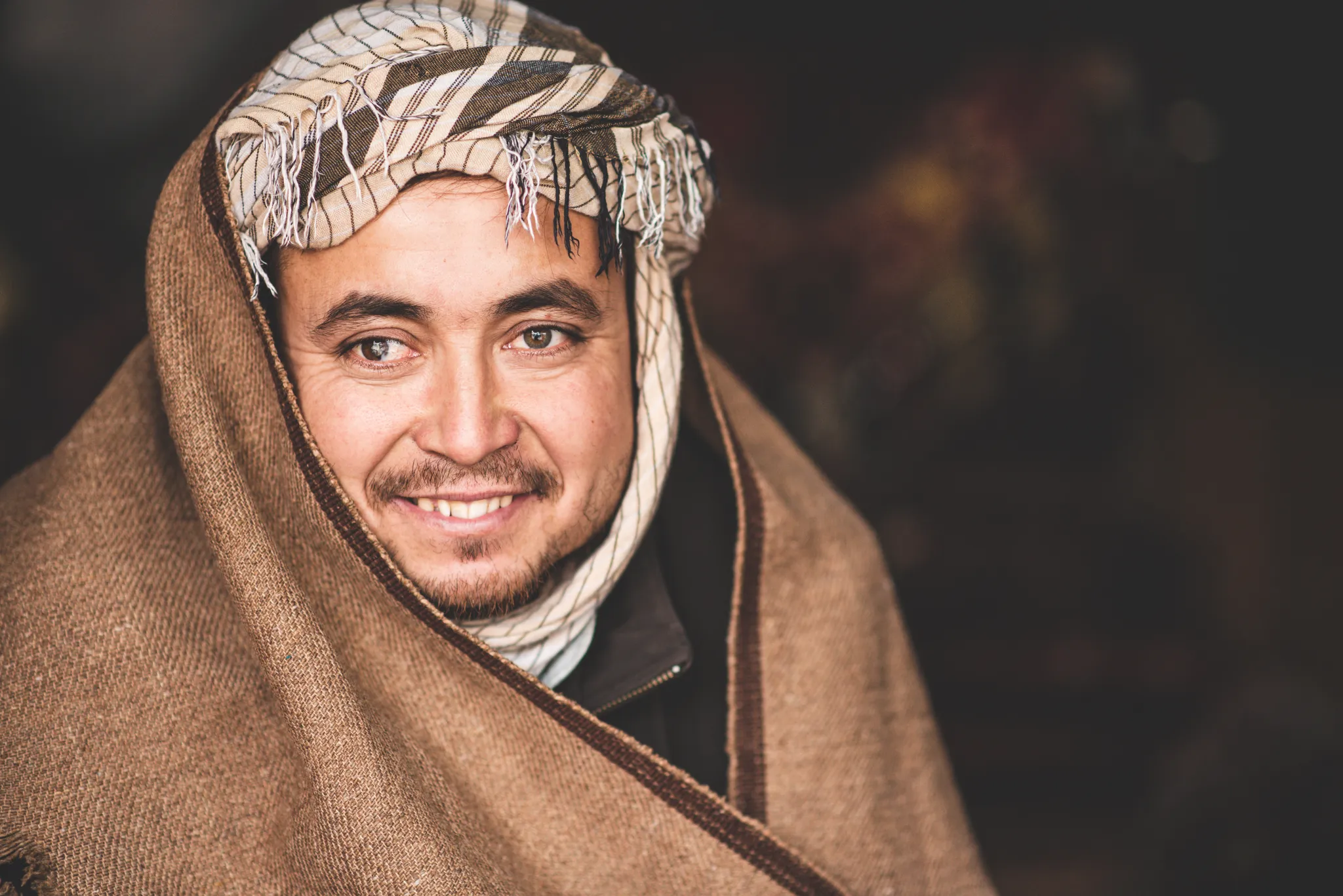
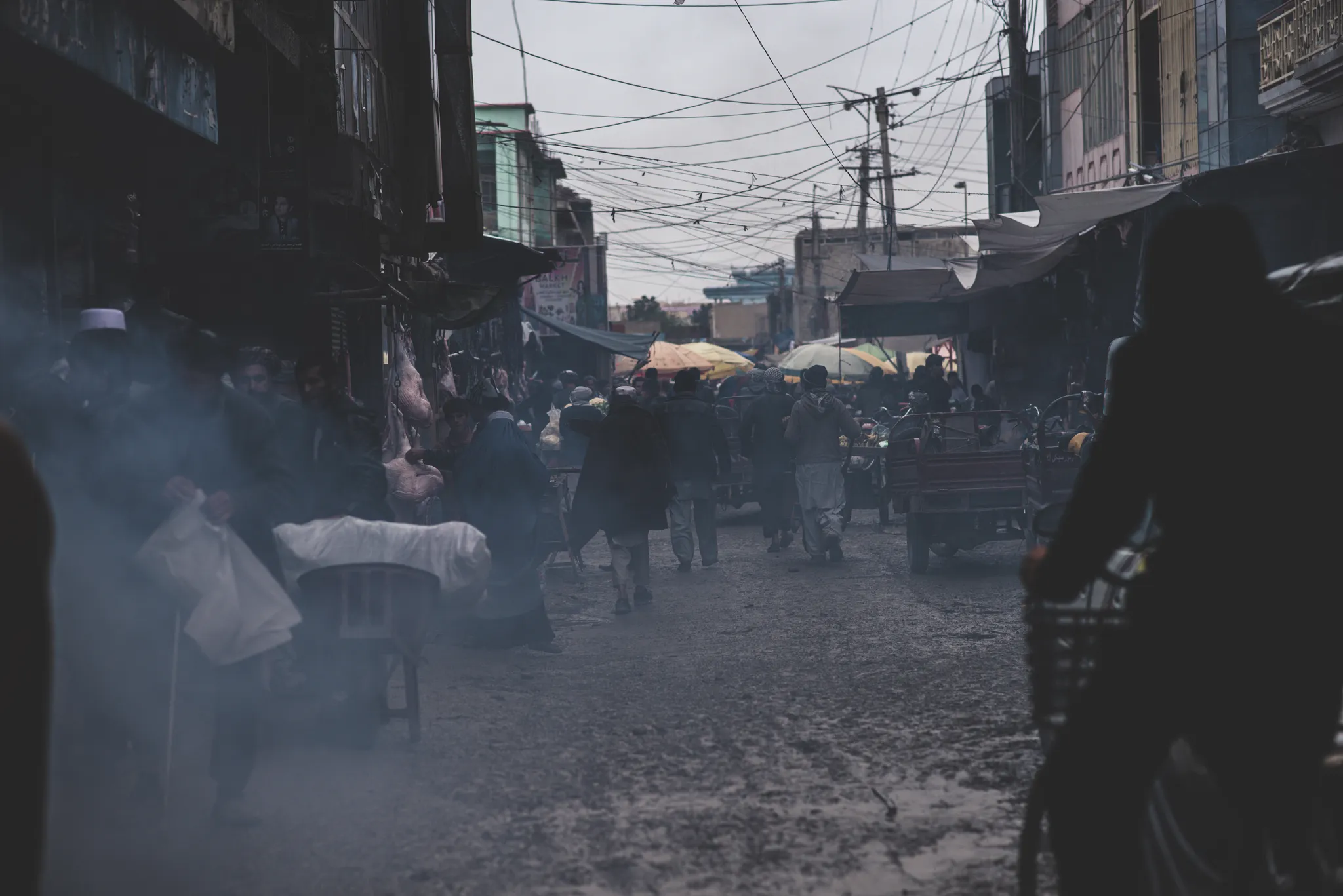
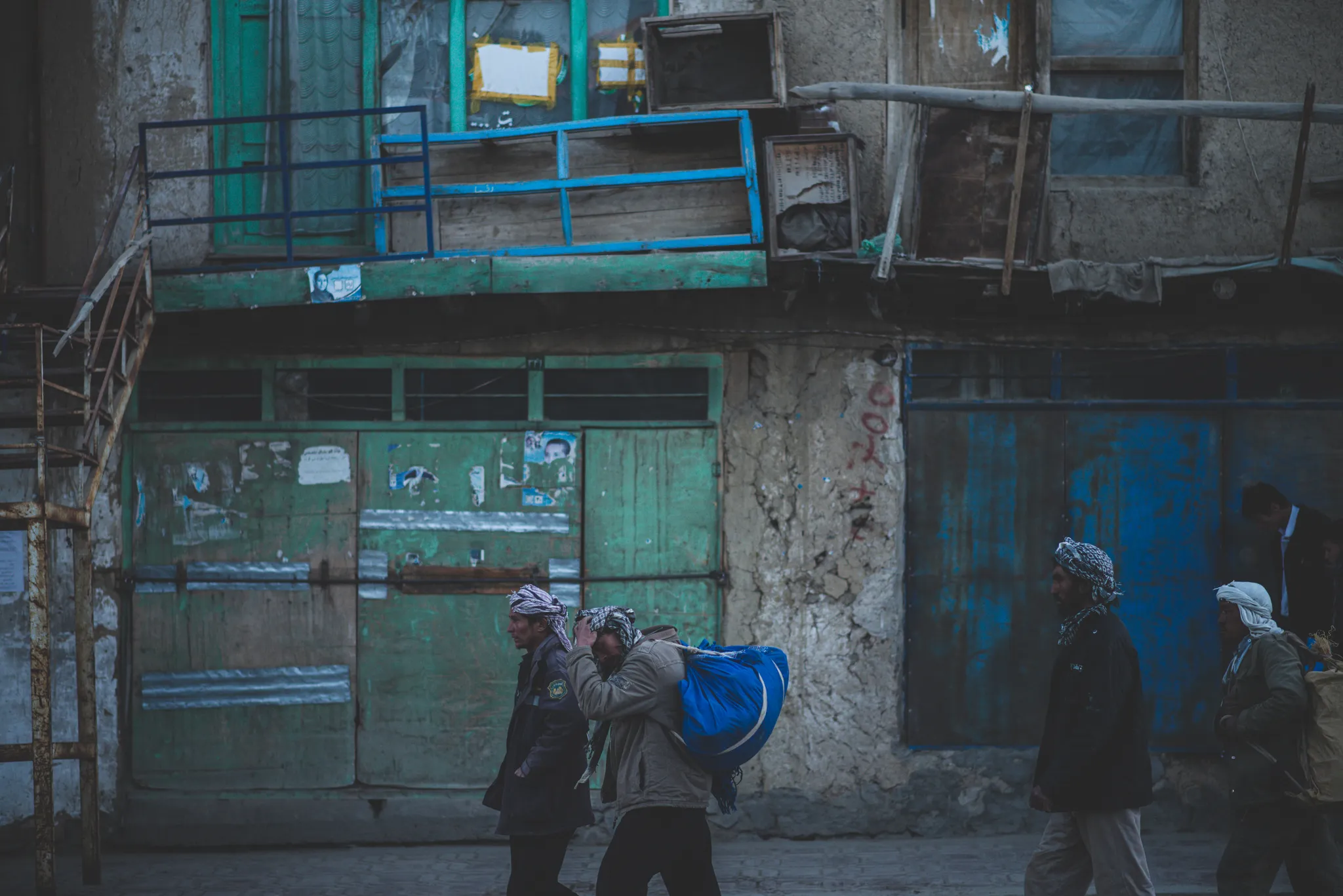
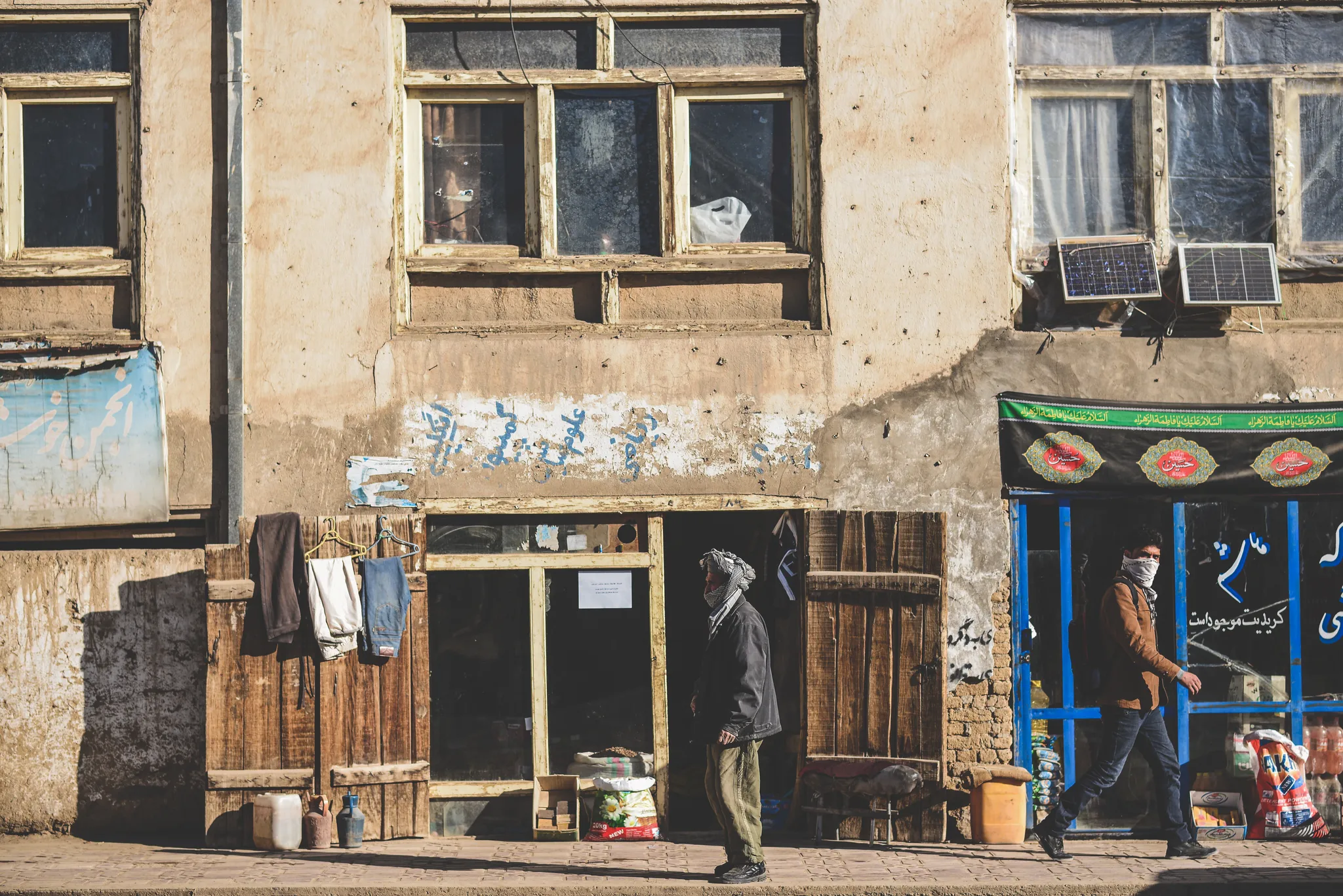
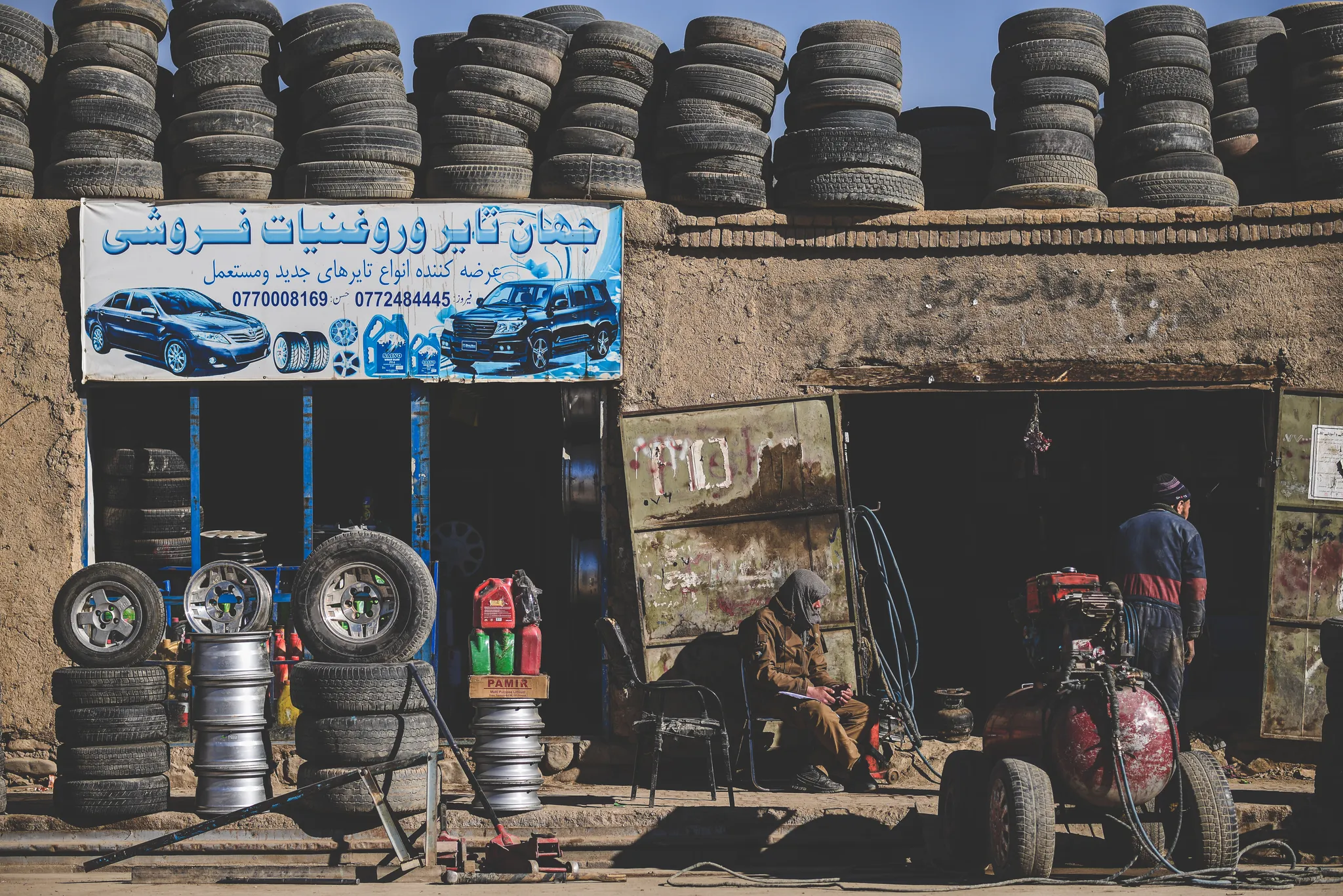
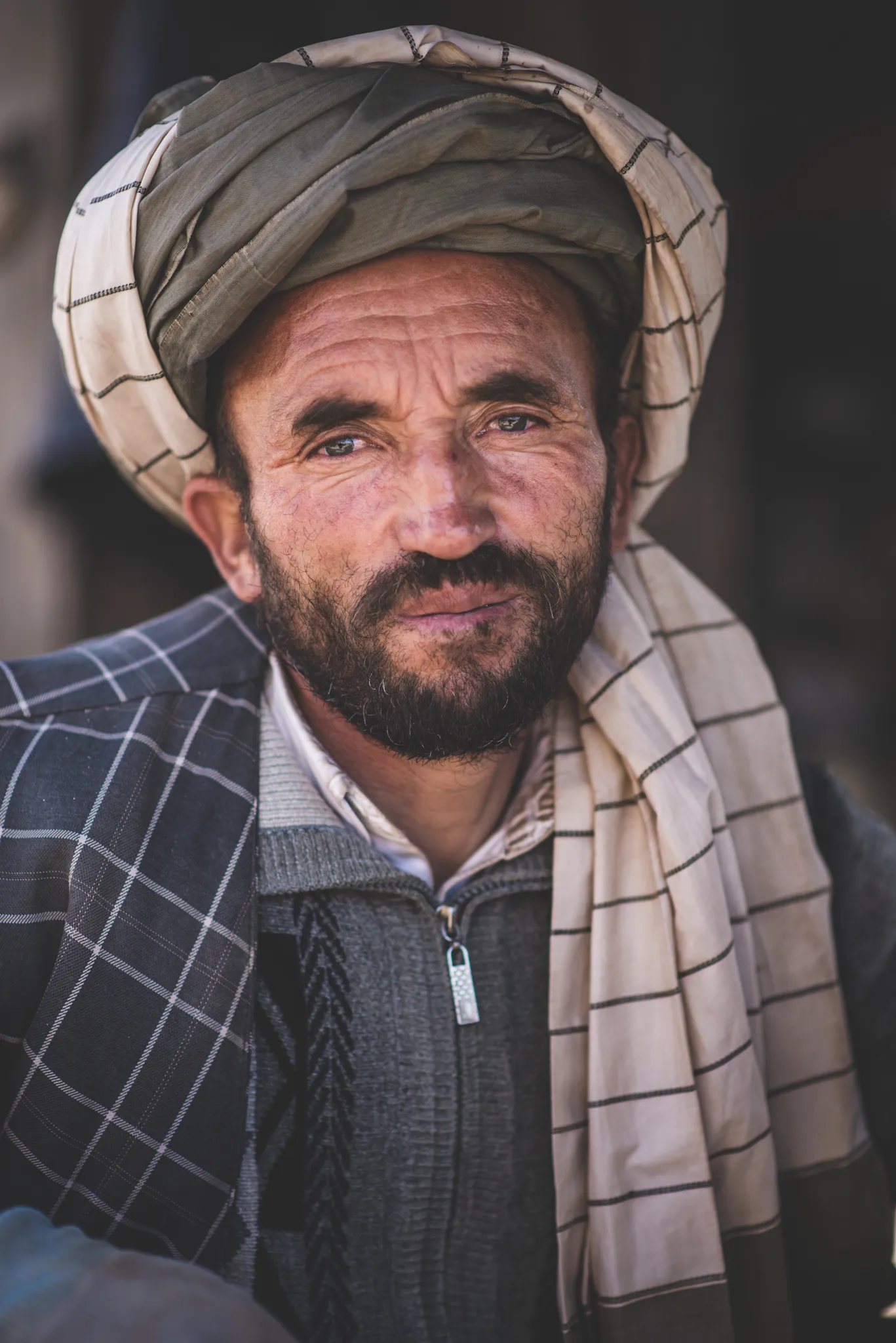
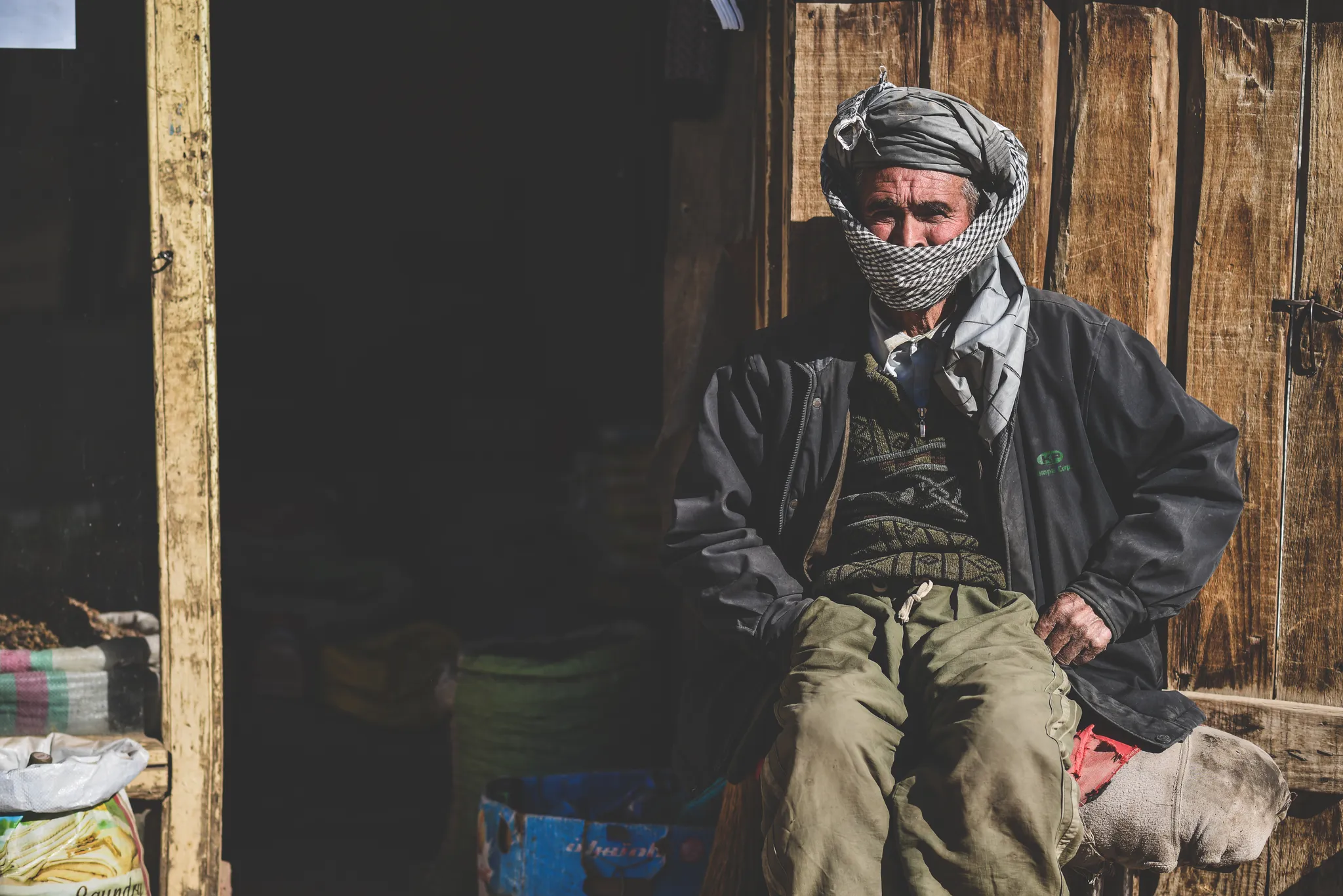
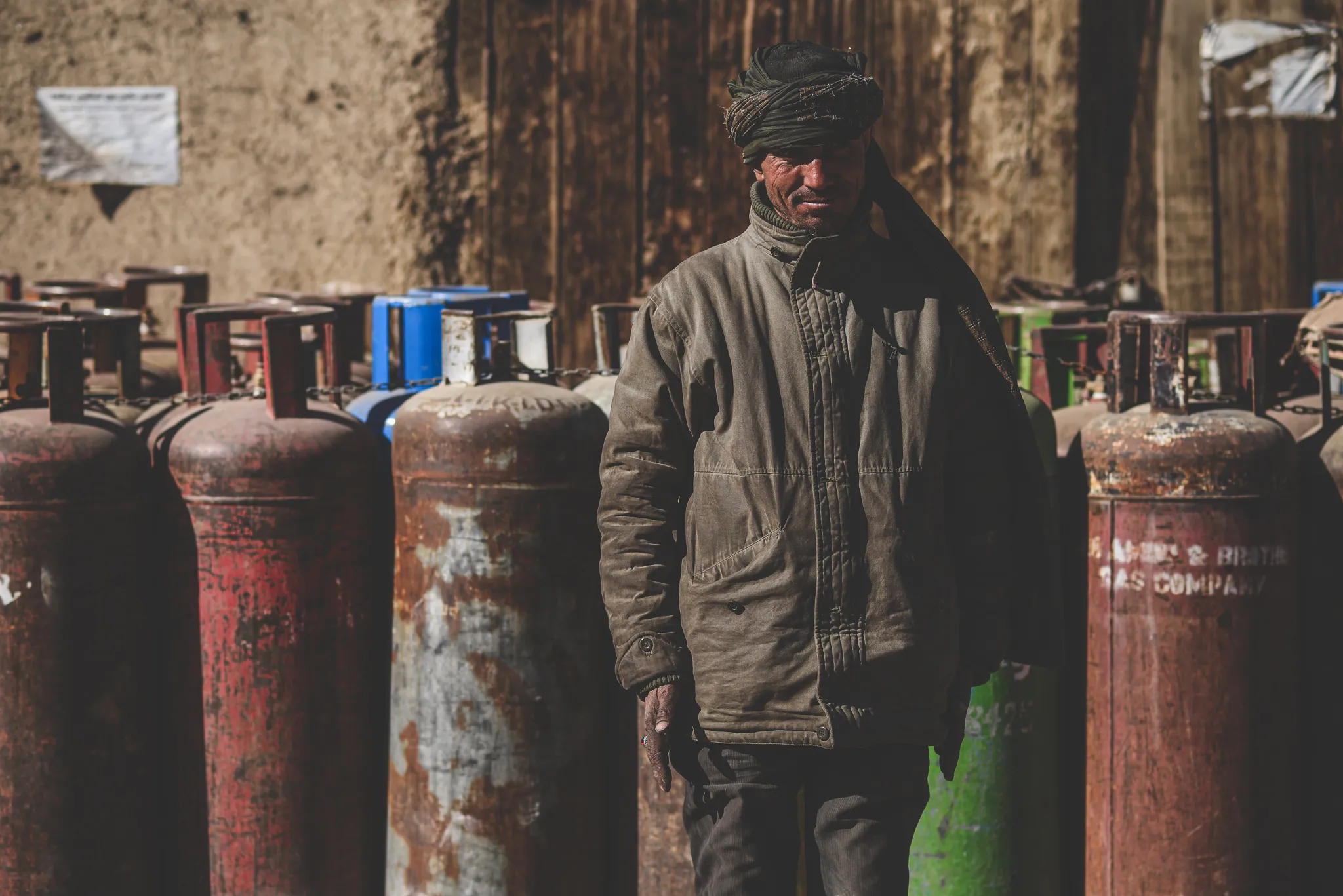
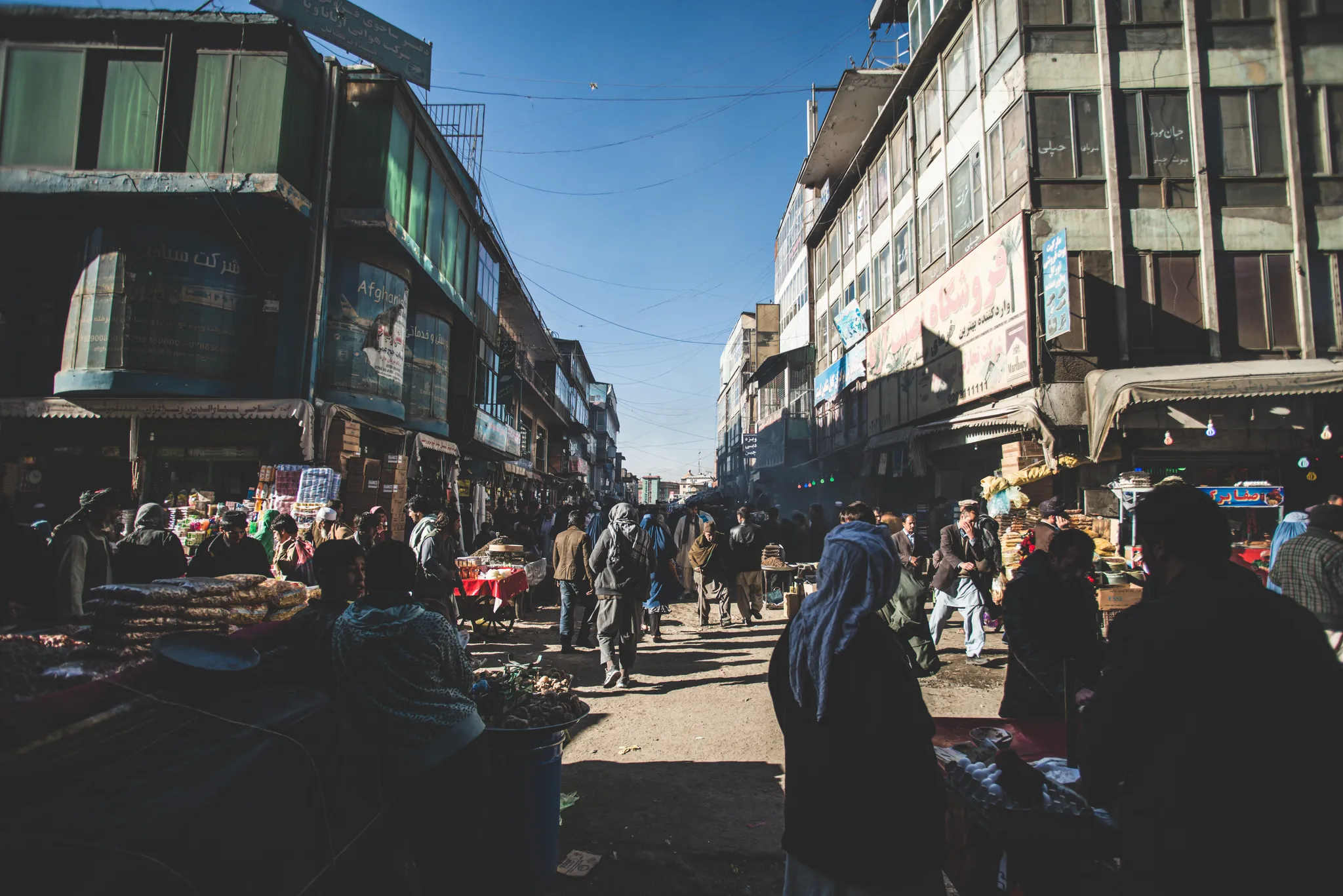
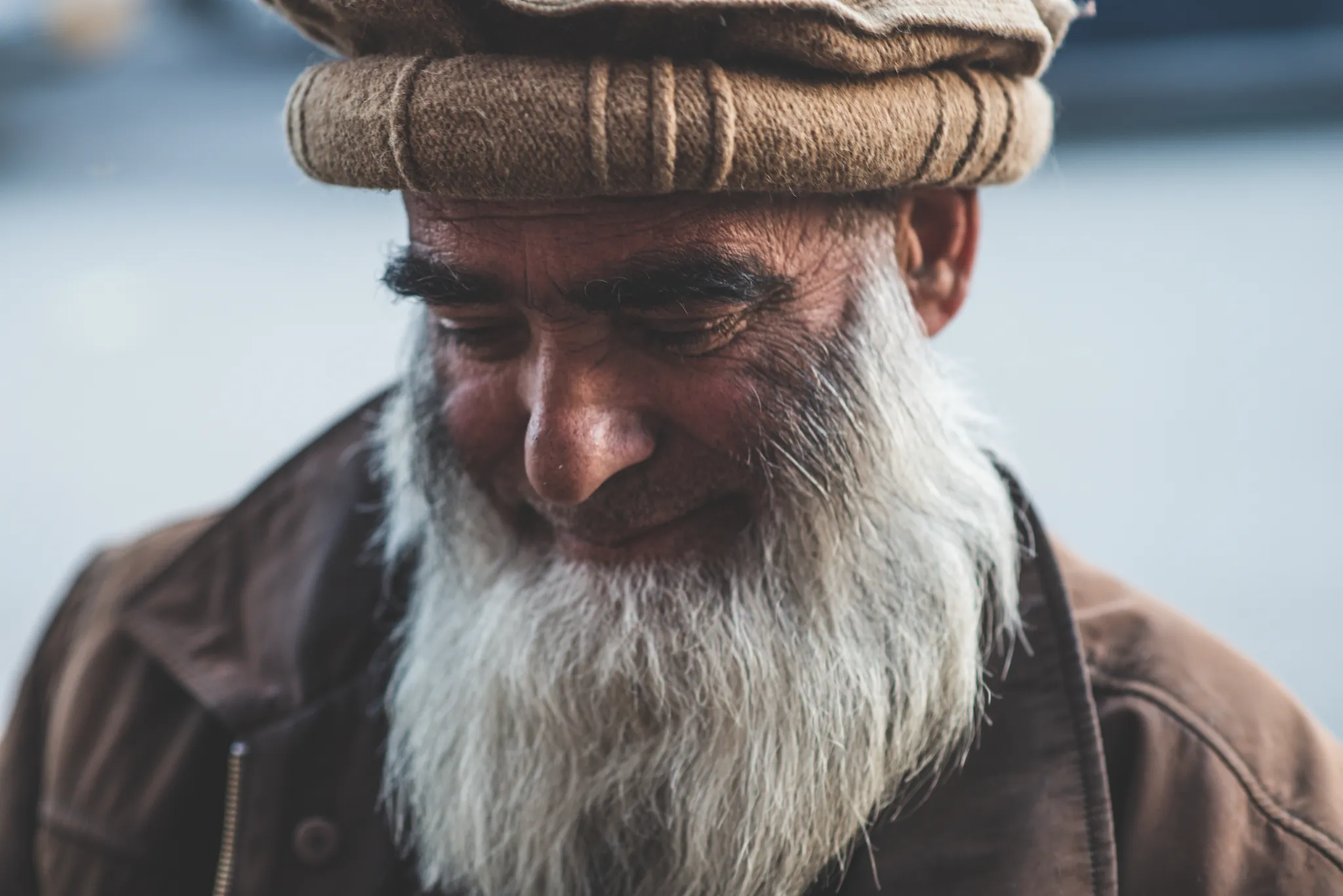
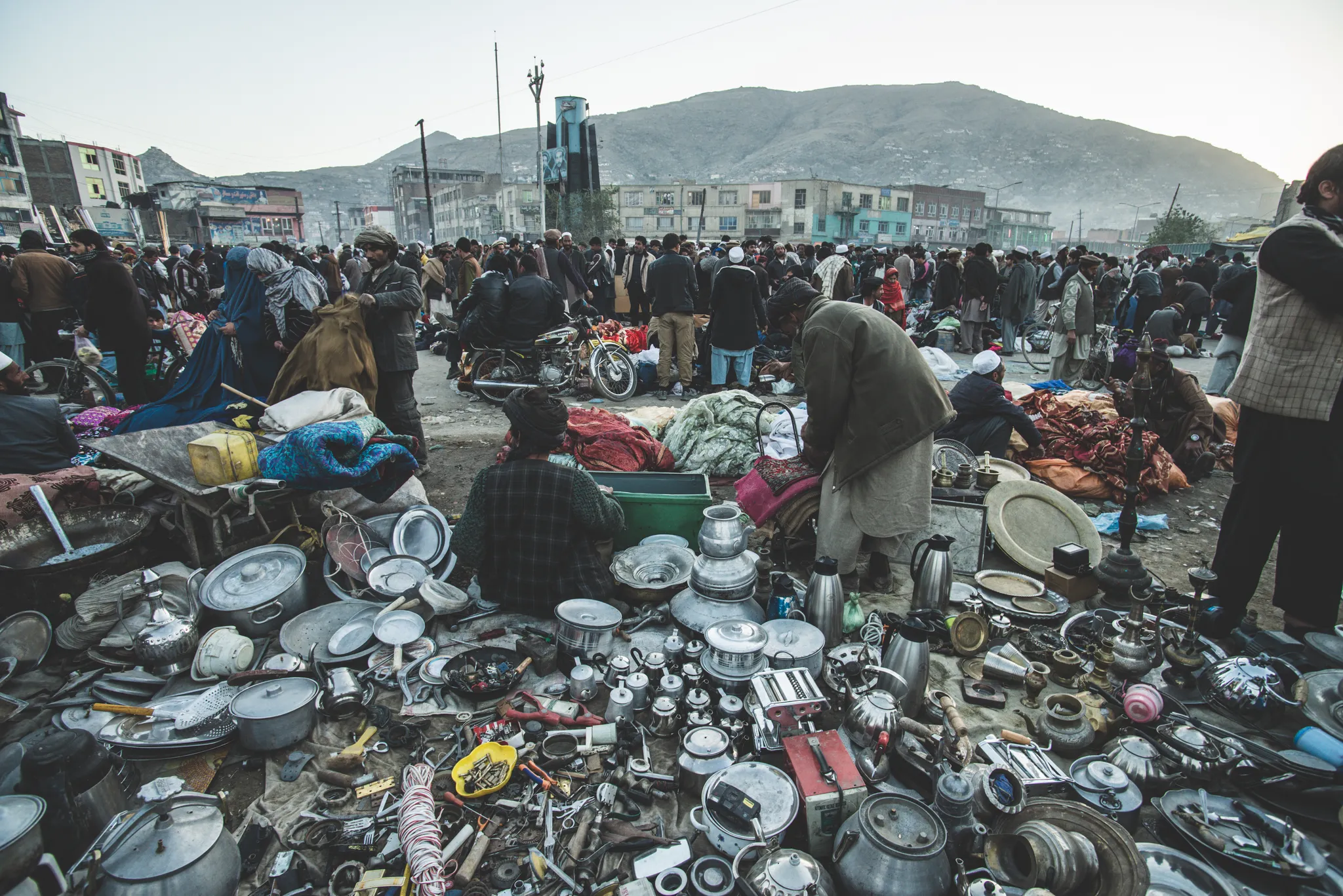
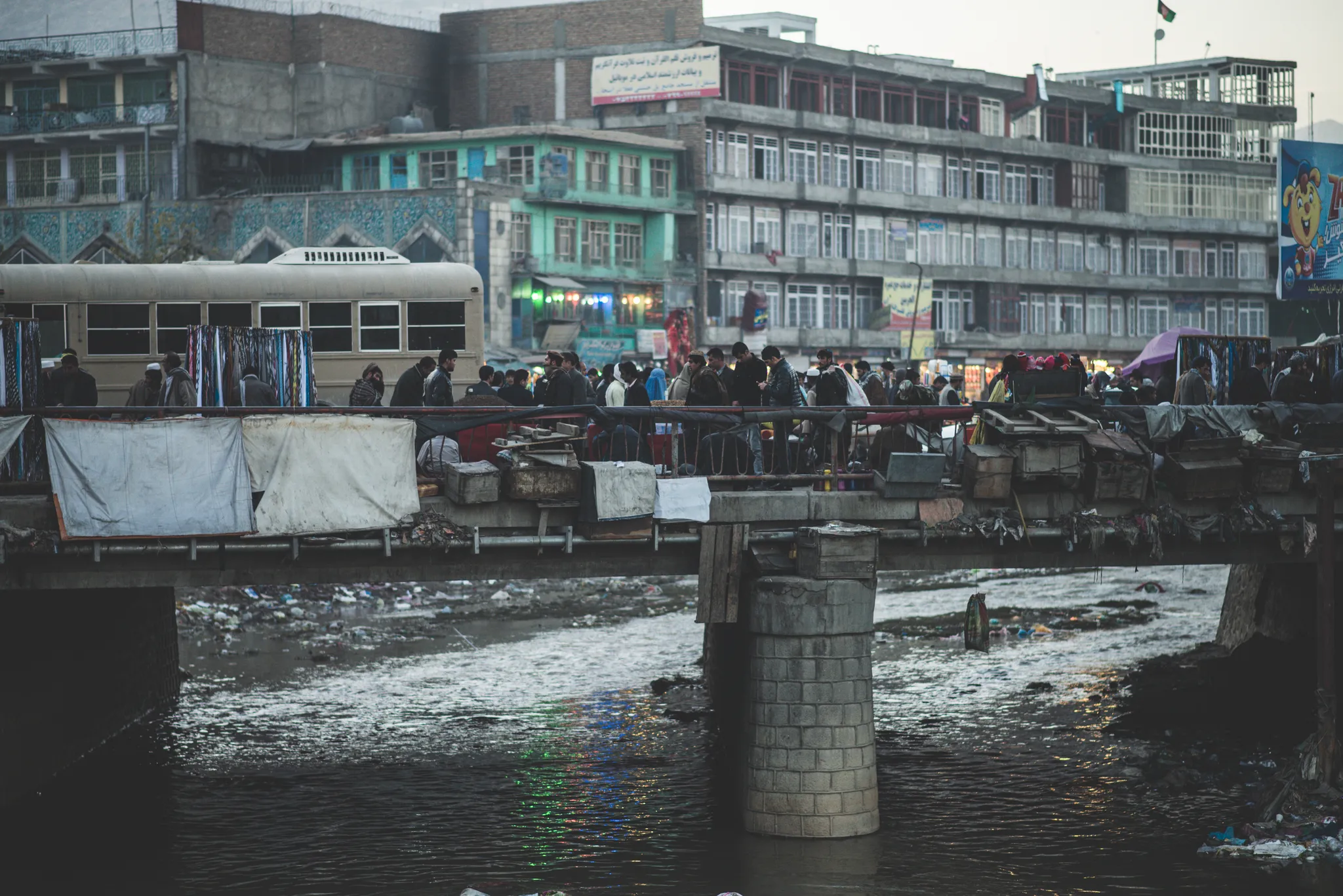
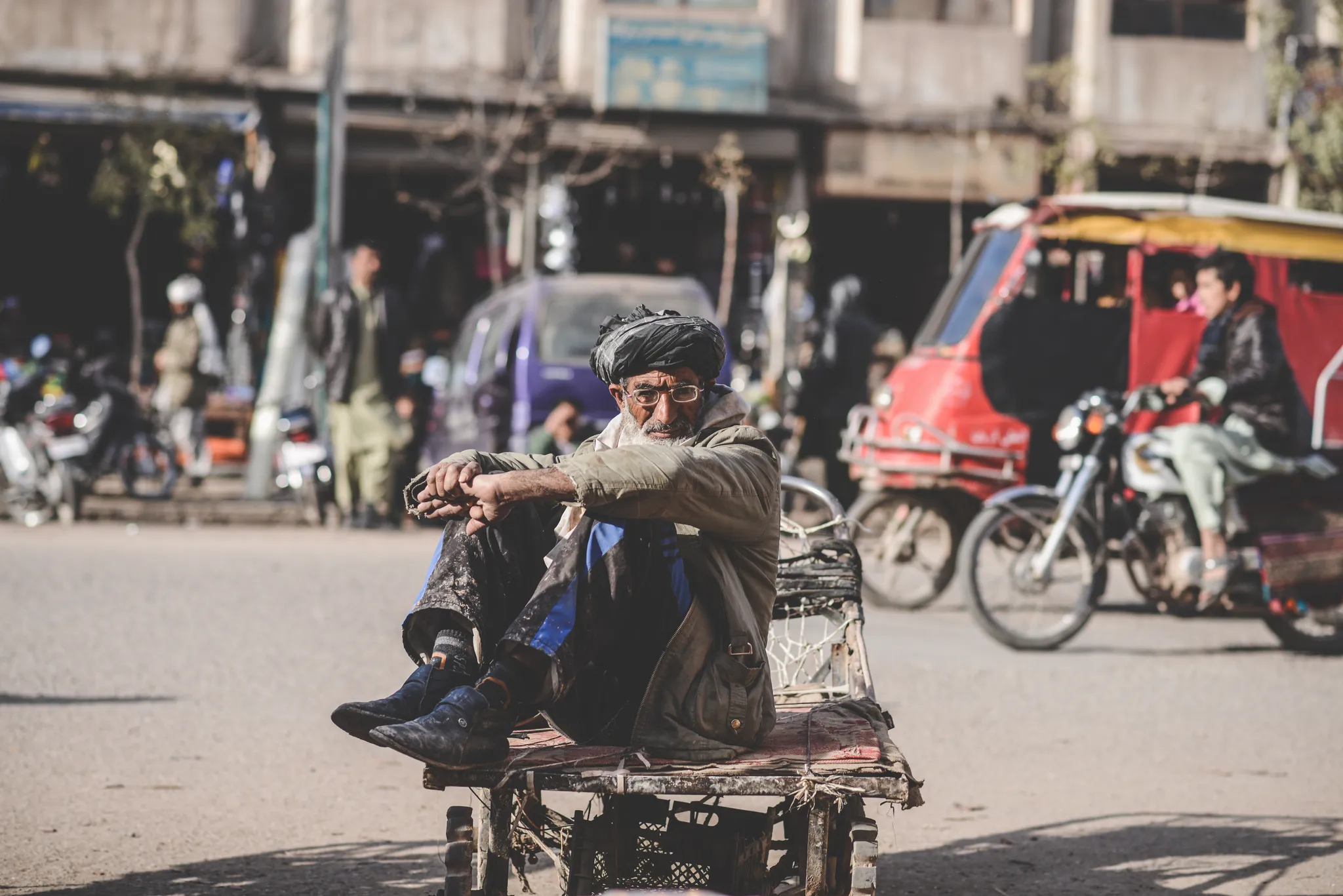
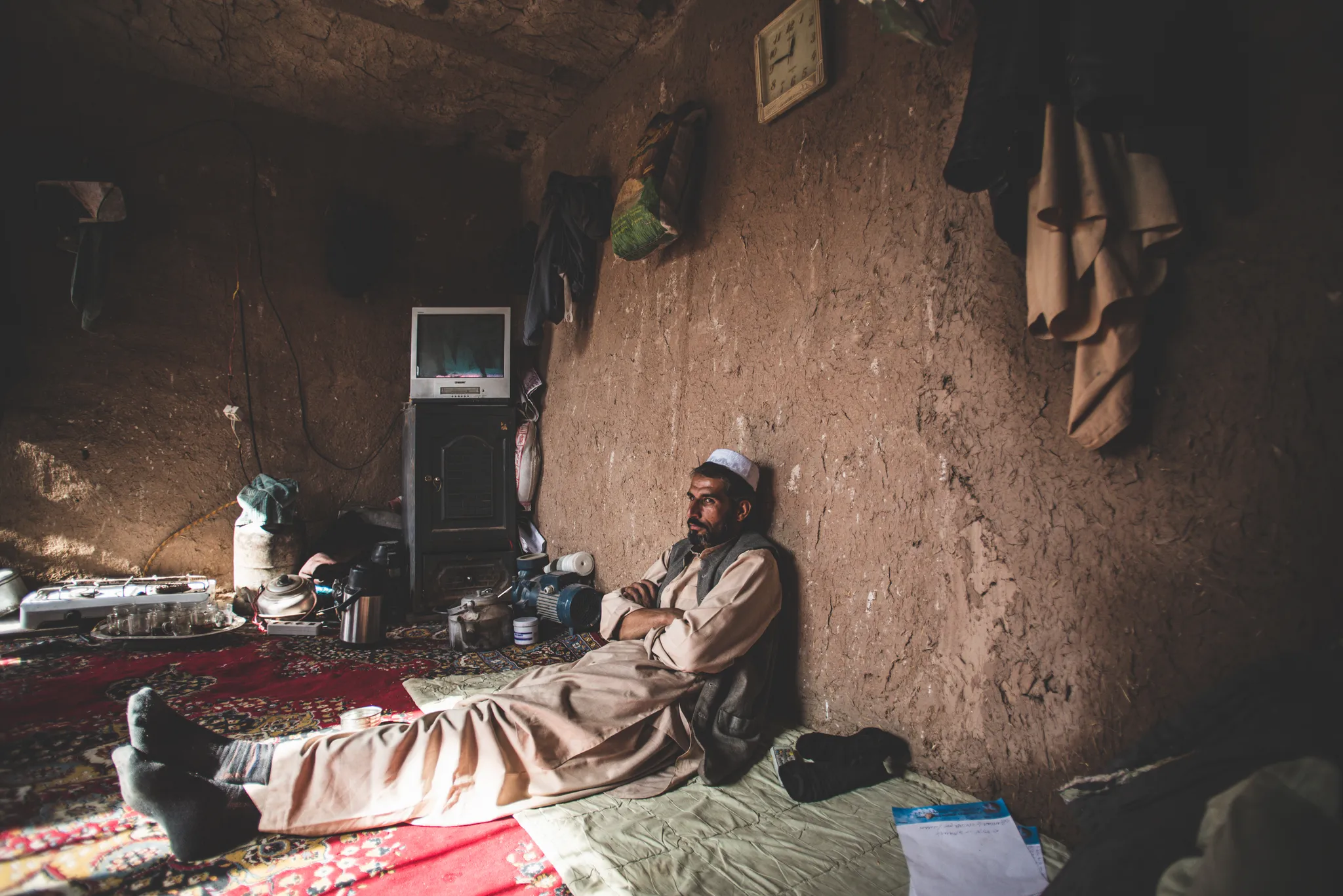
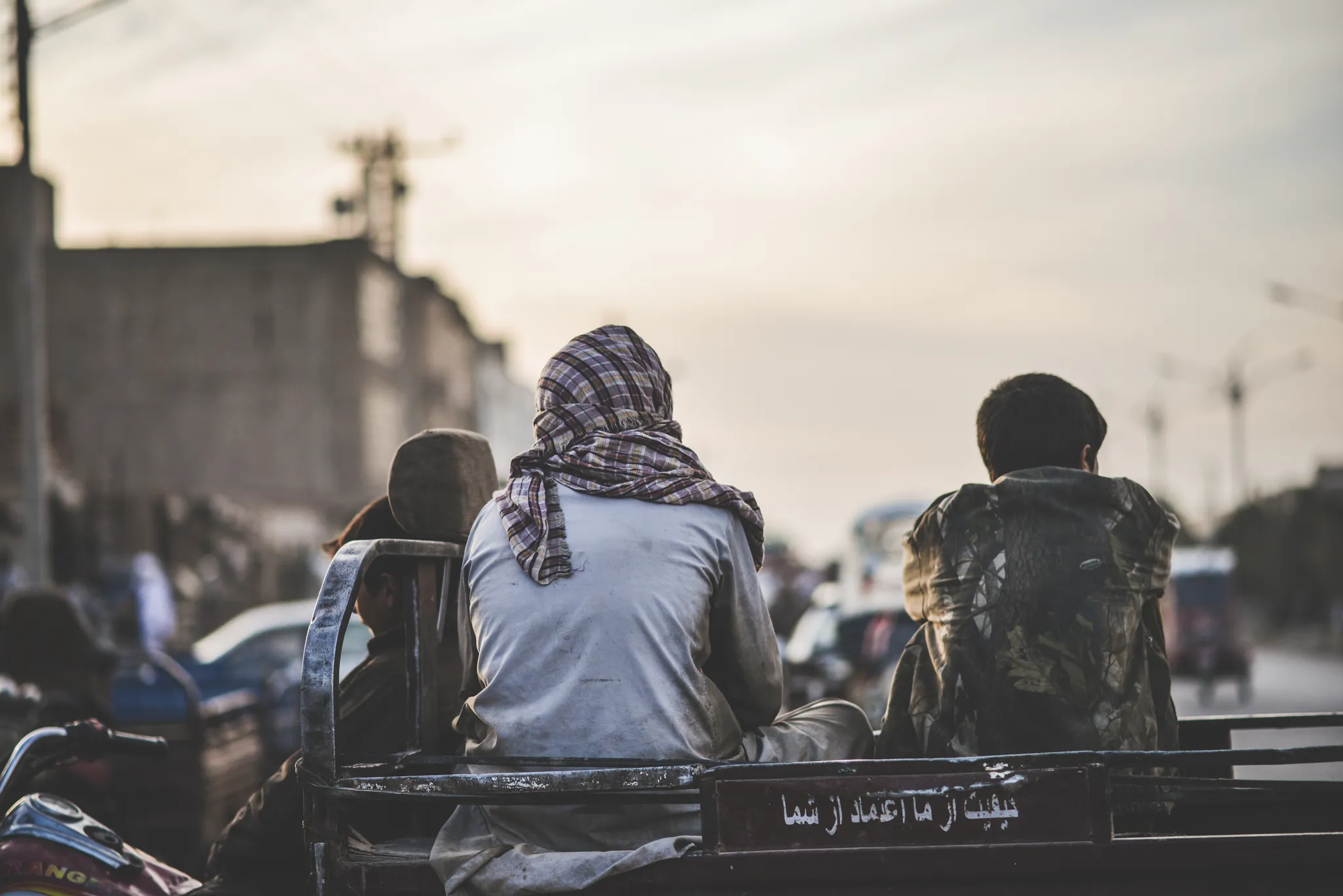
What I saw in distant Afghanistan was a torrent of life.
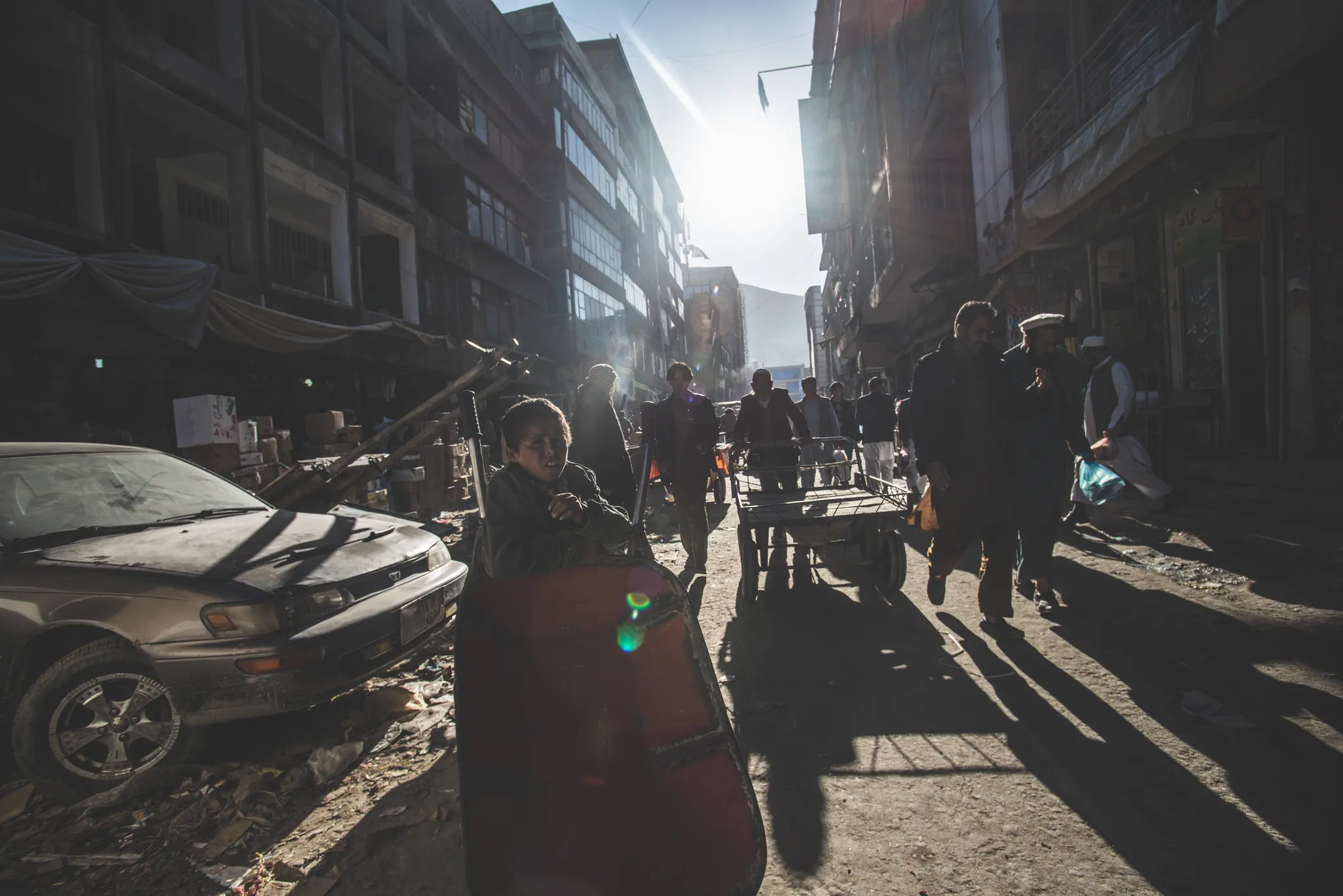
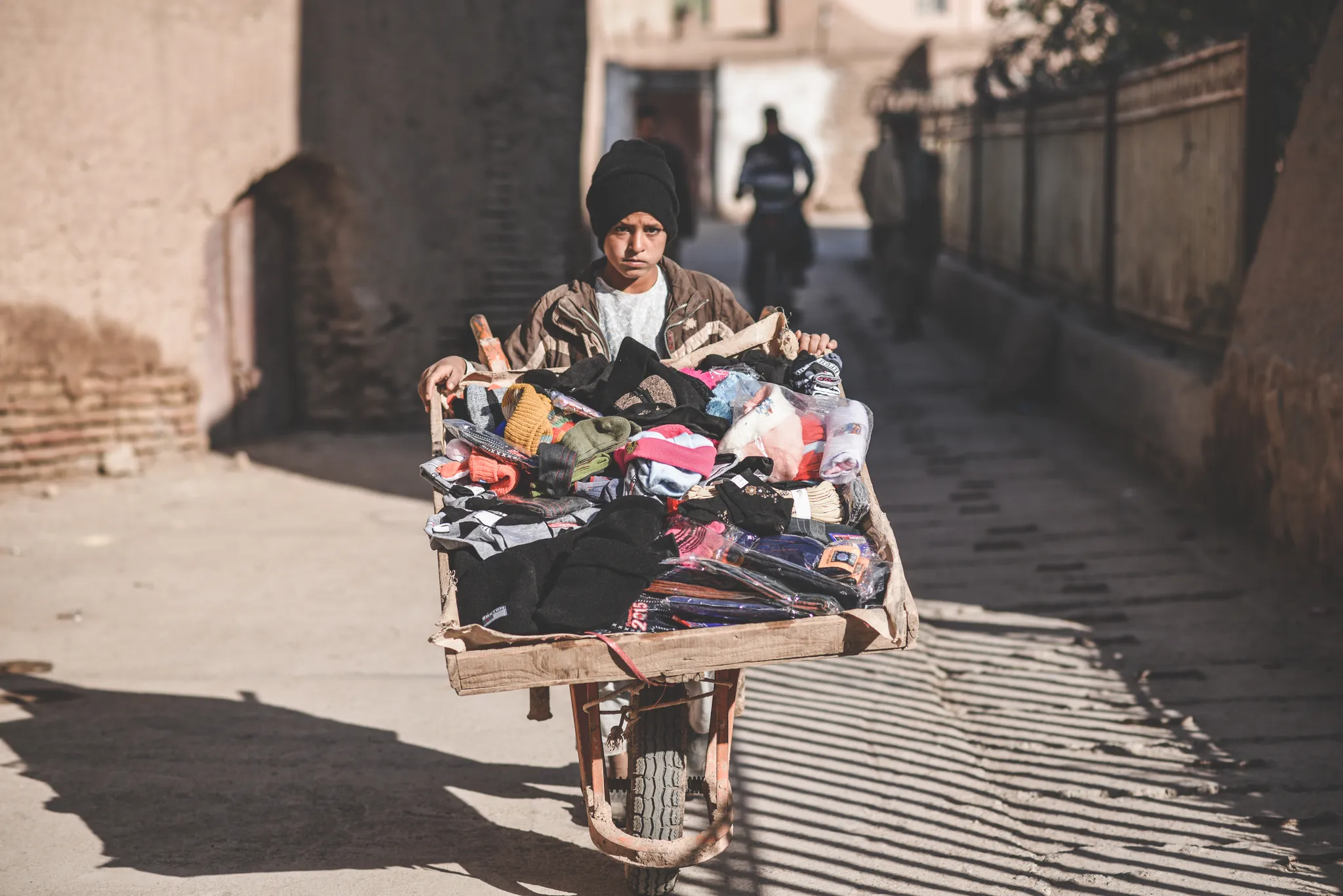
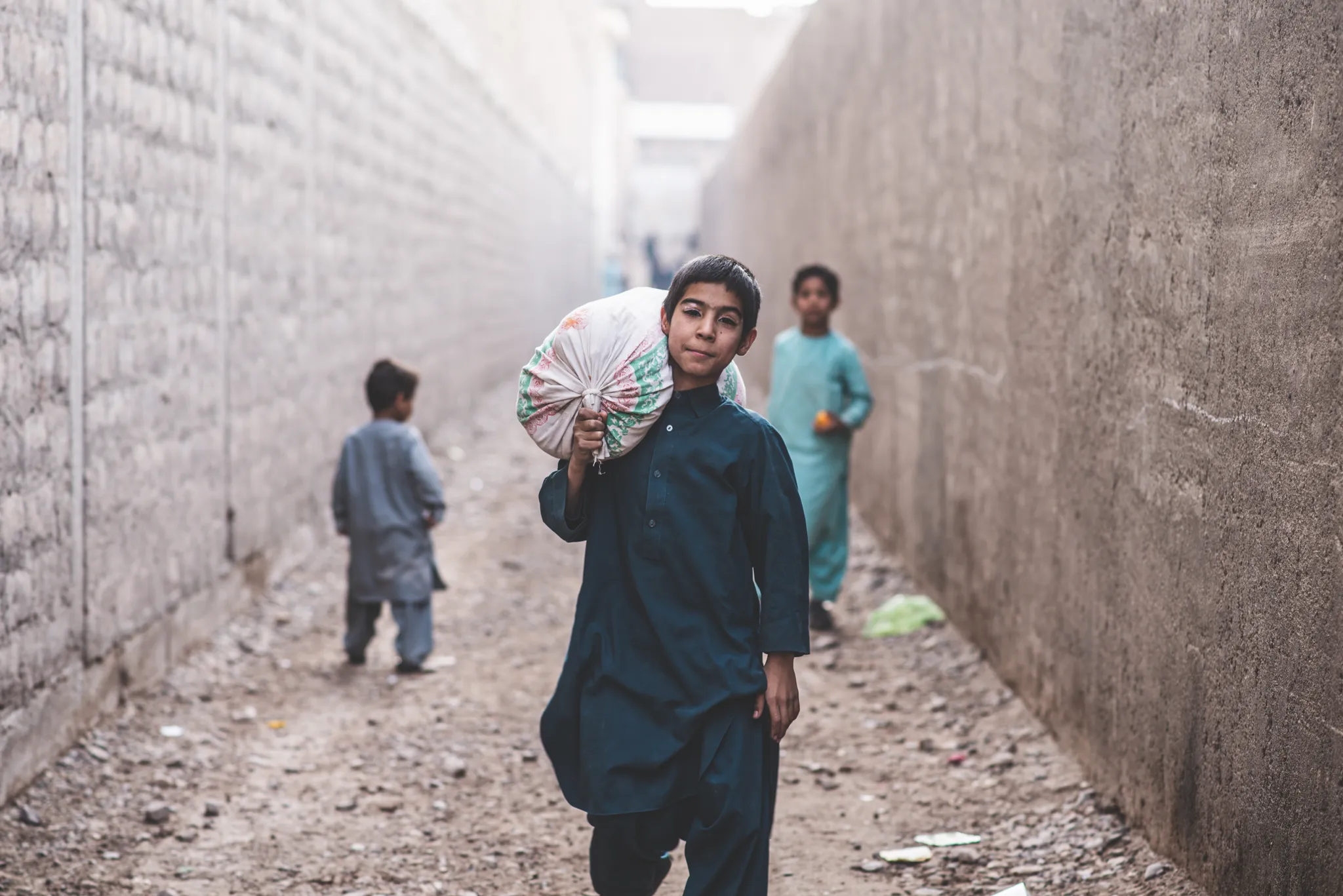
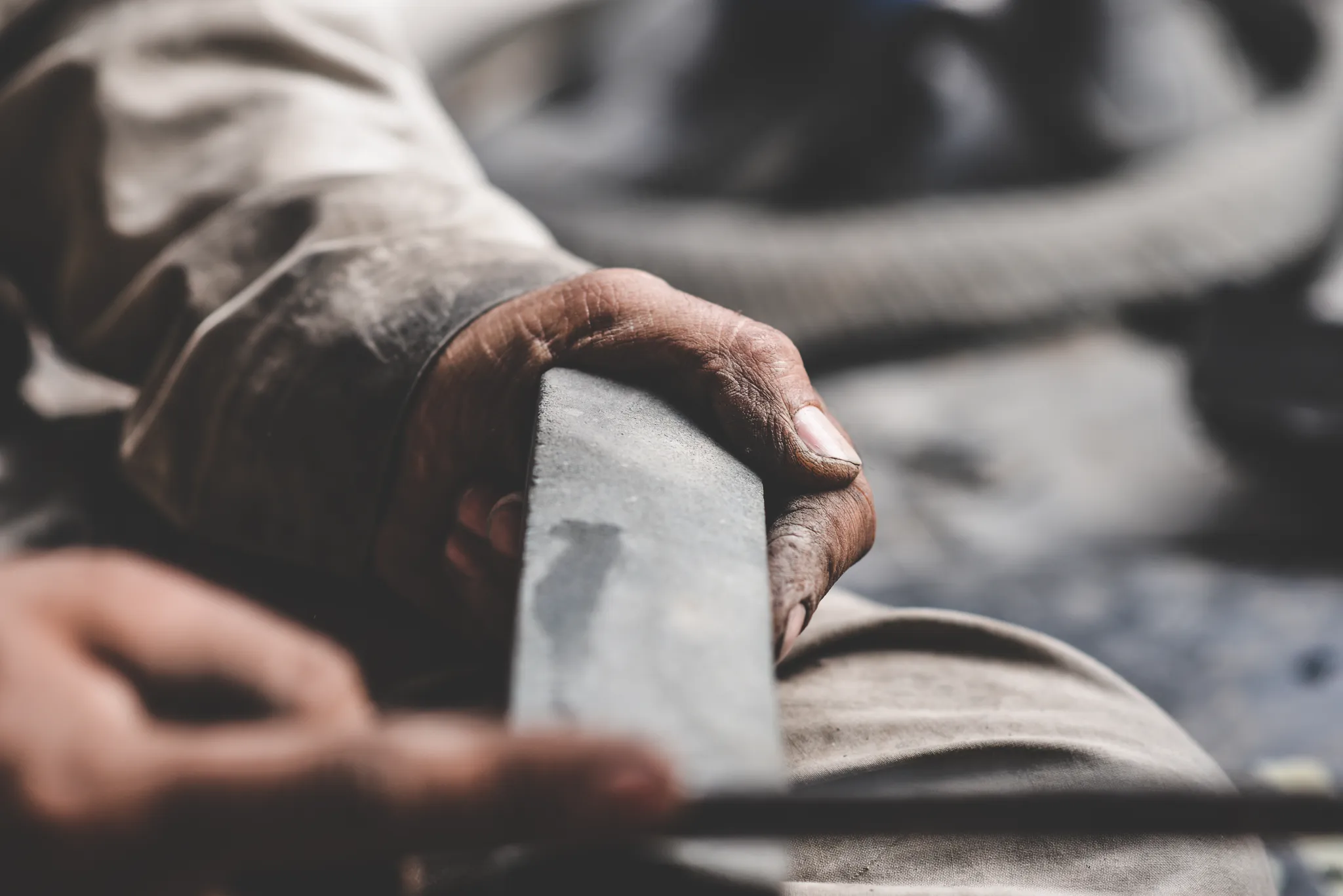
A boy living day to day, learning his trade by copying his father's back;
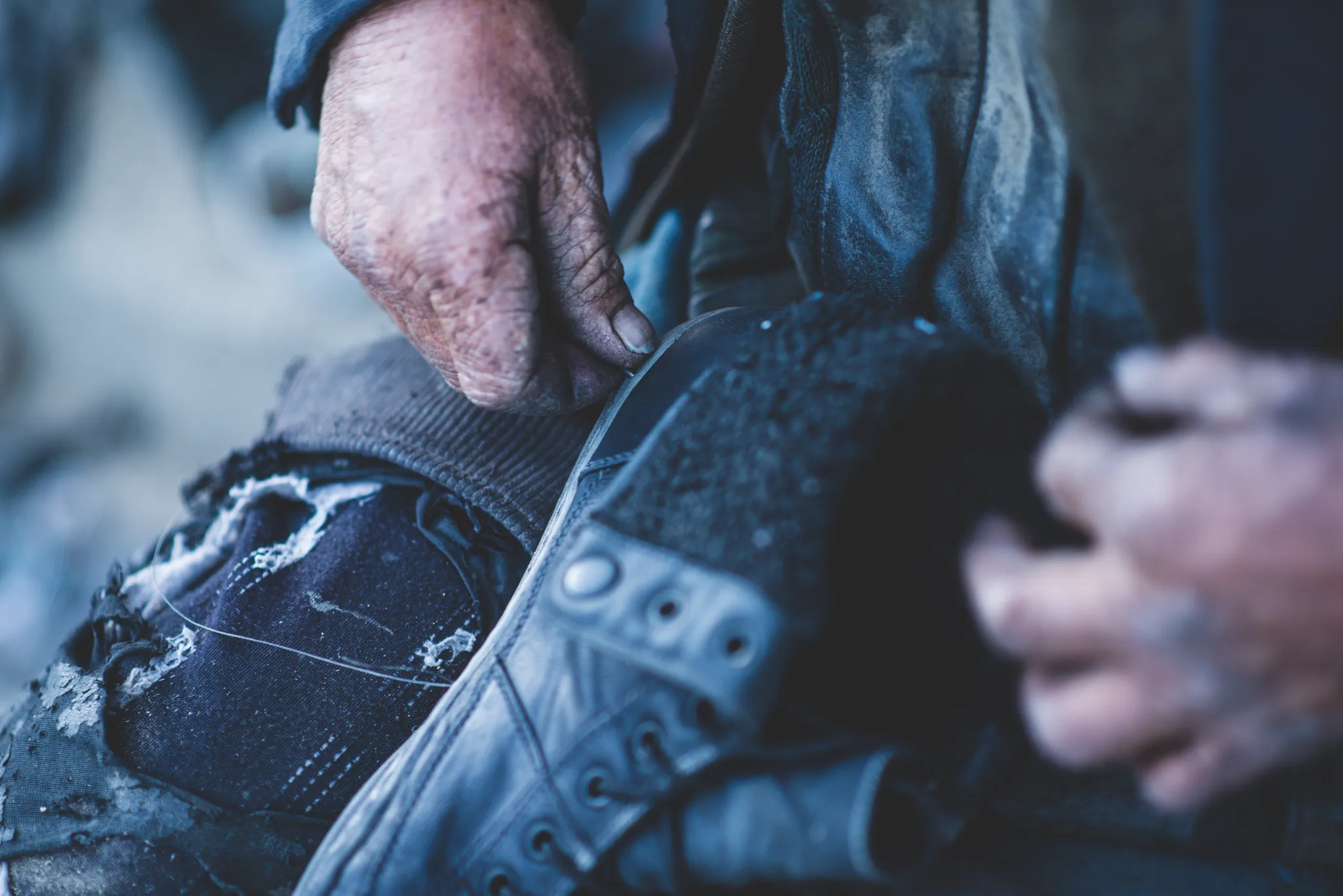
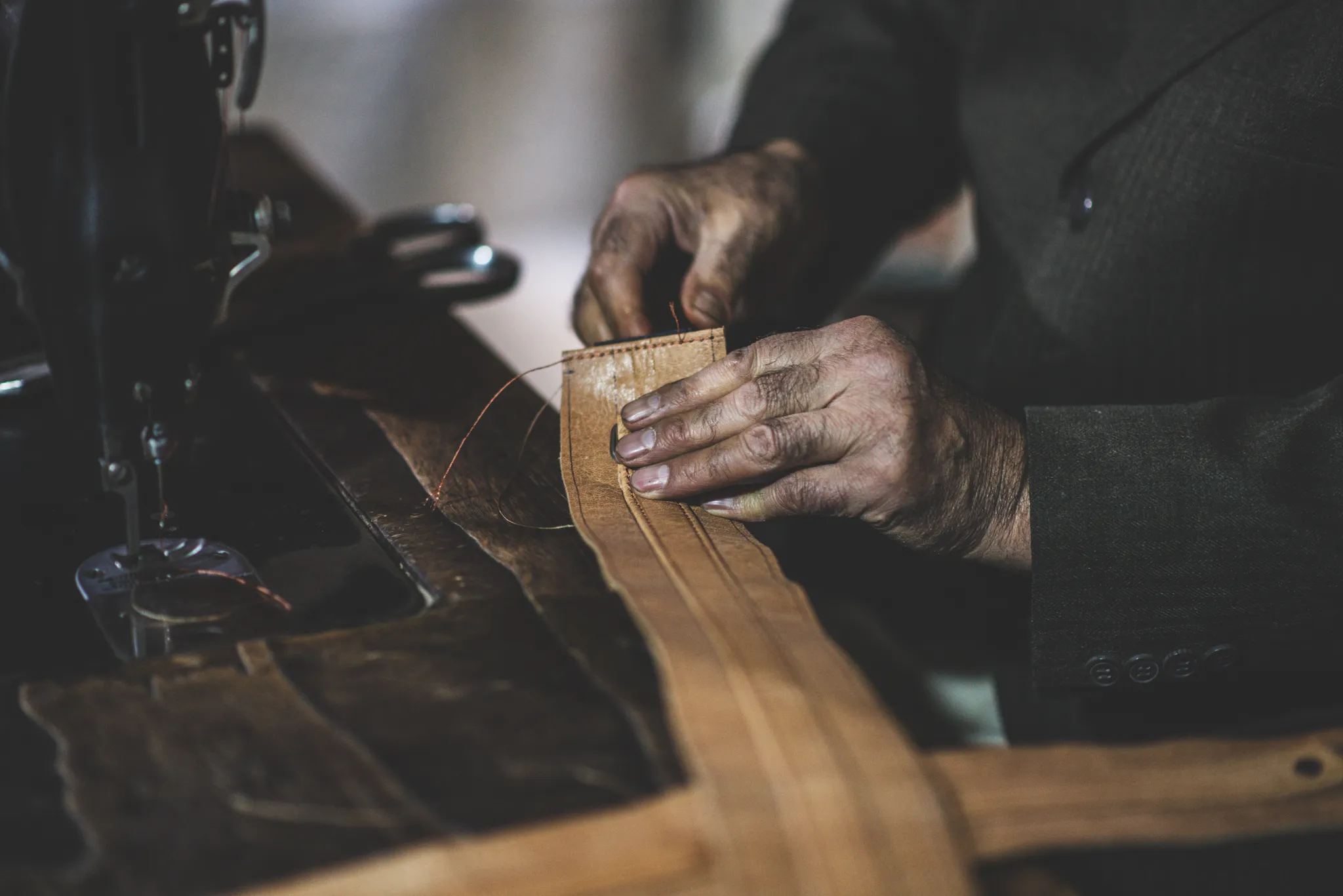
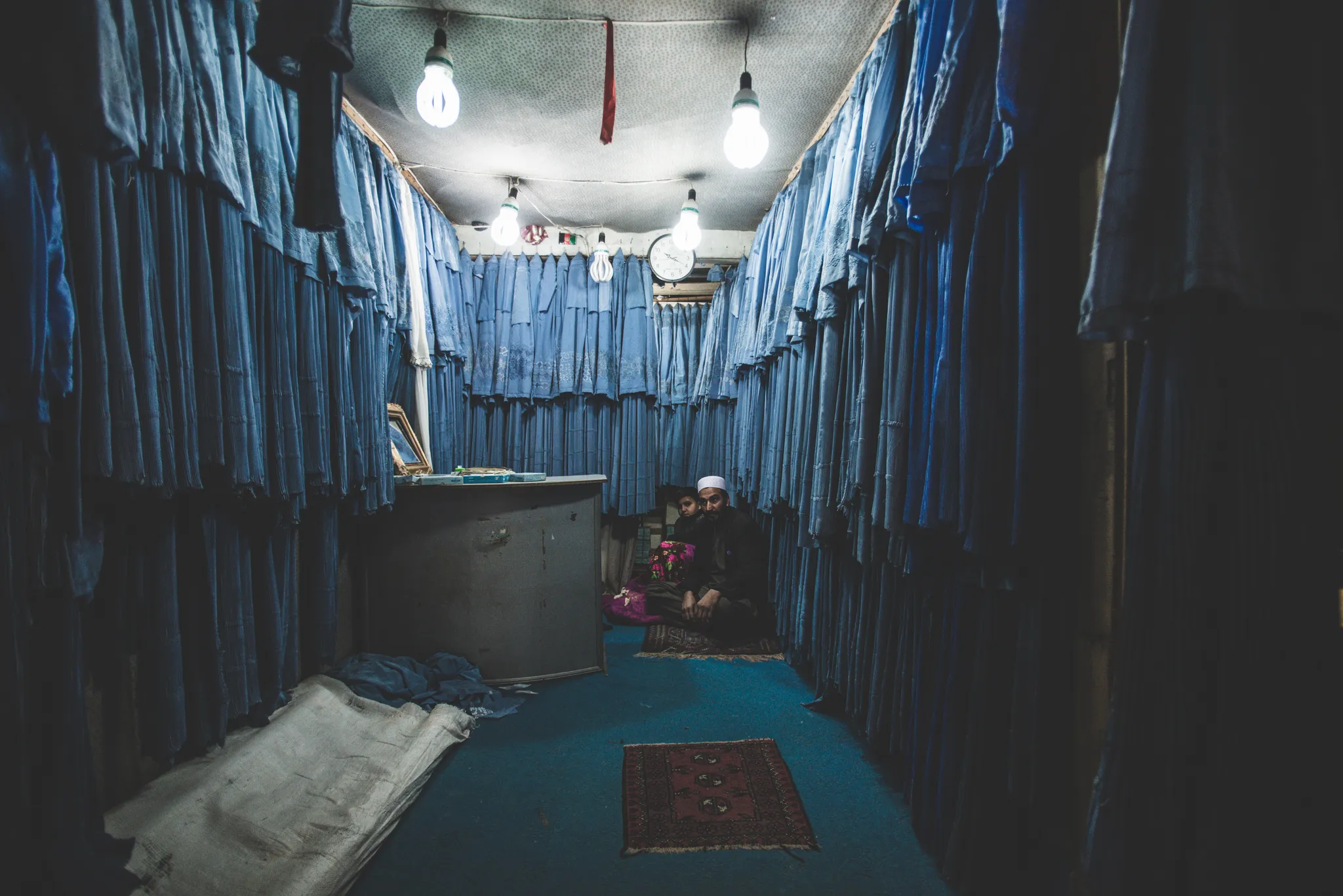
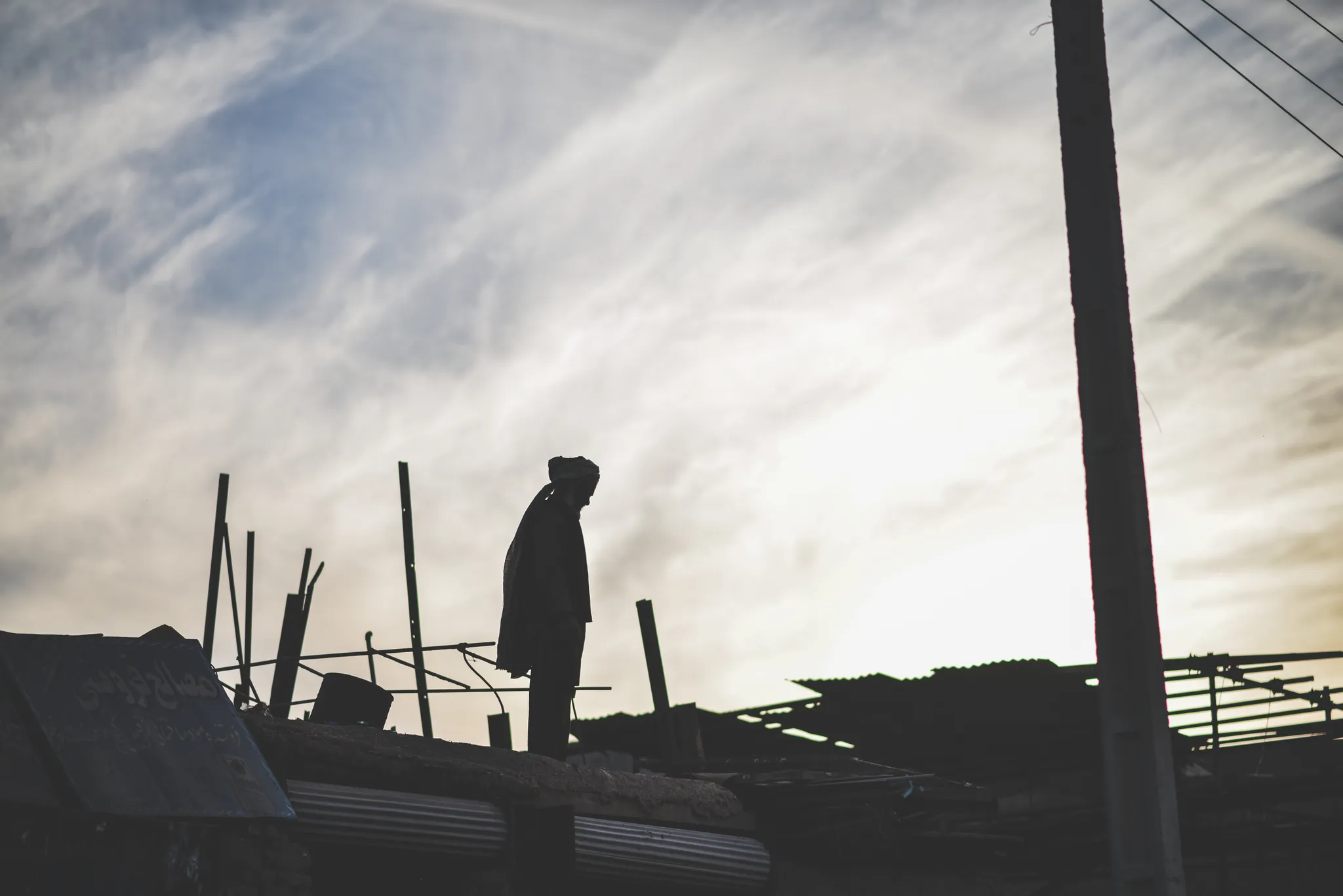
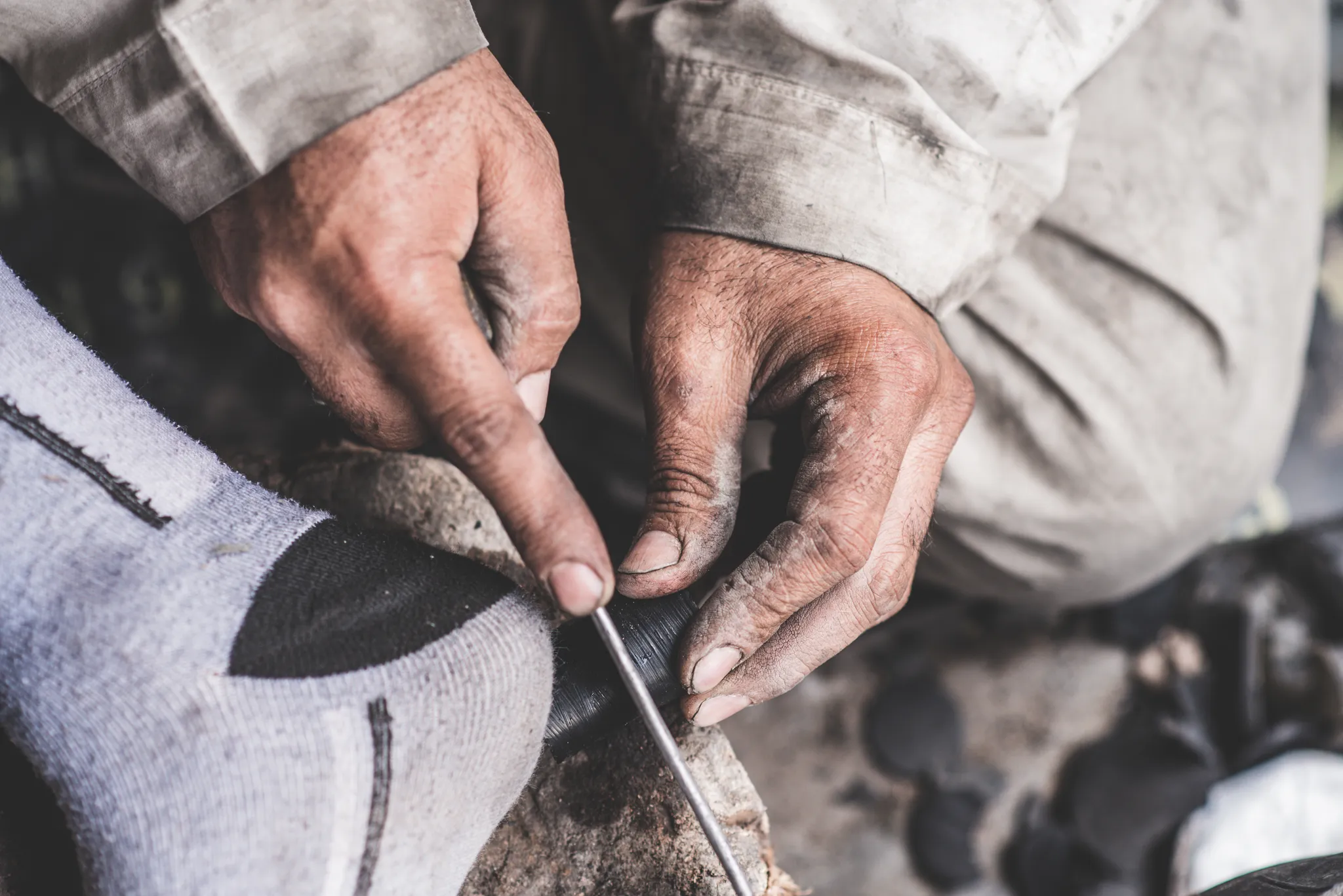
a young man in a small workshop, cutting rubber without pause;
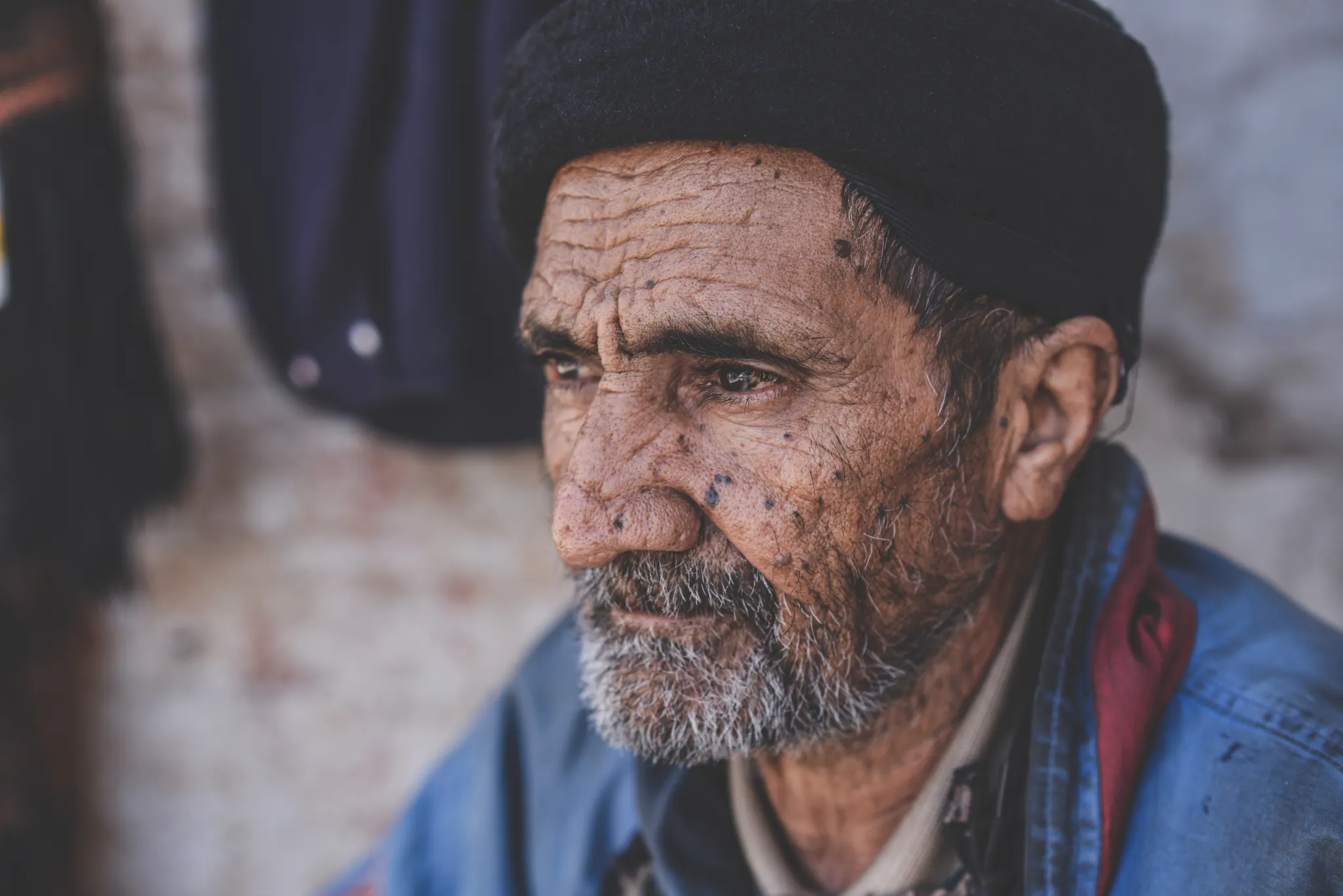
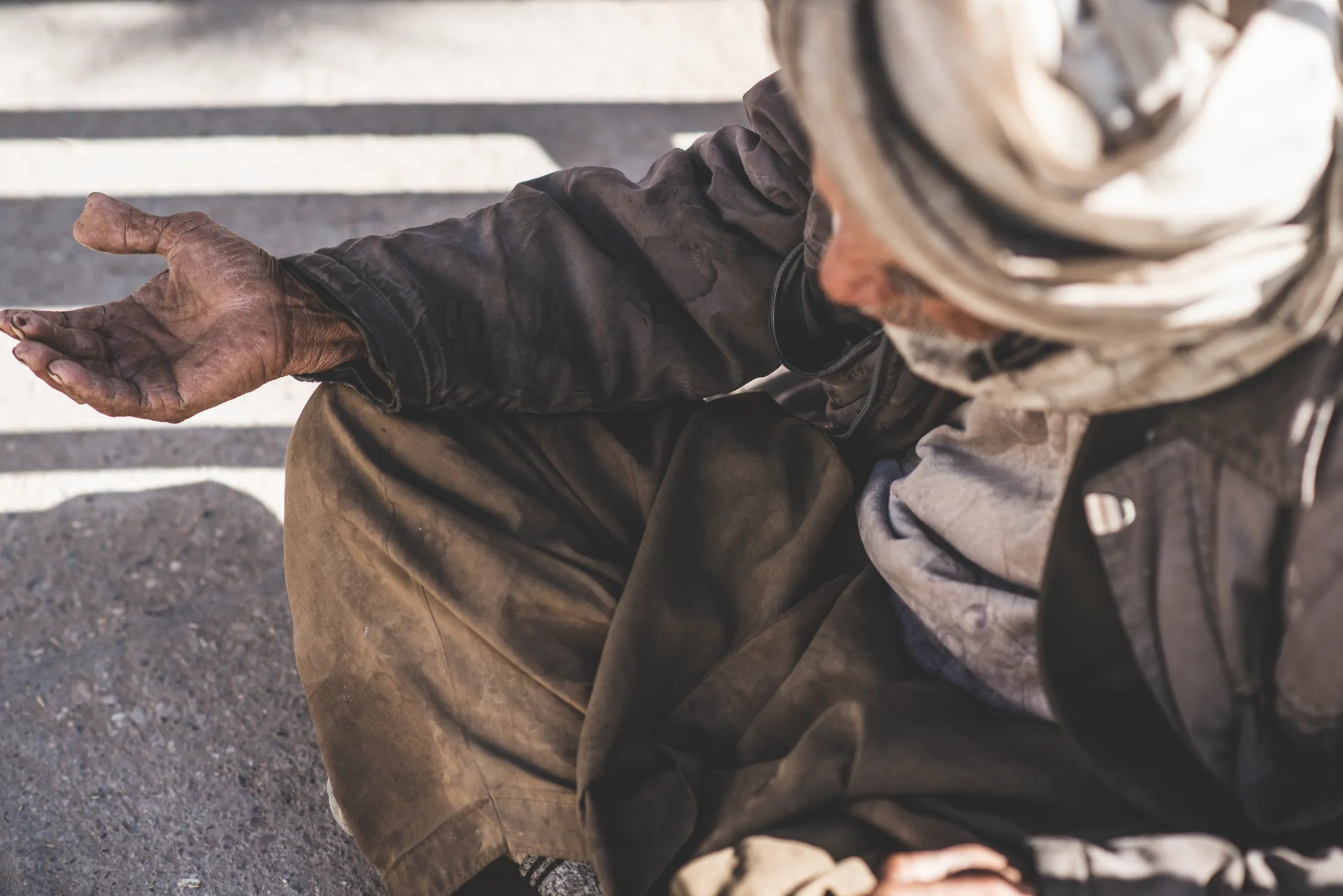
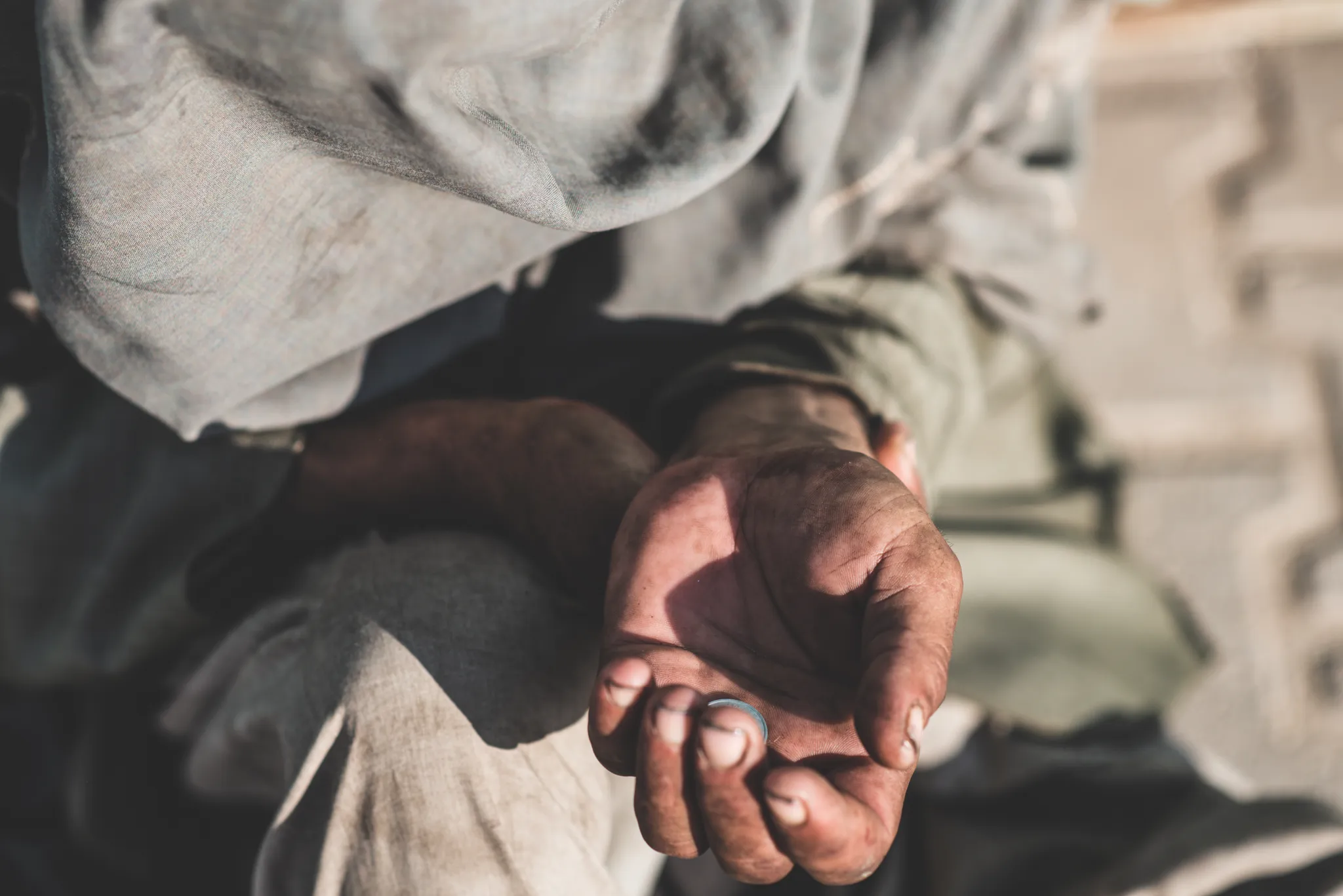
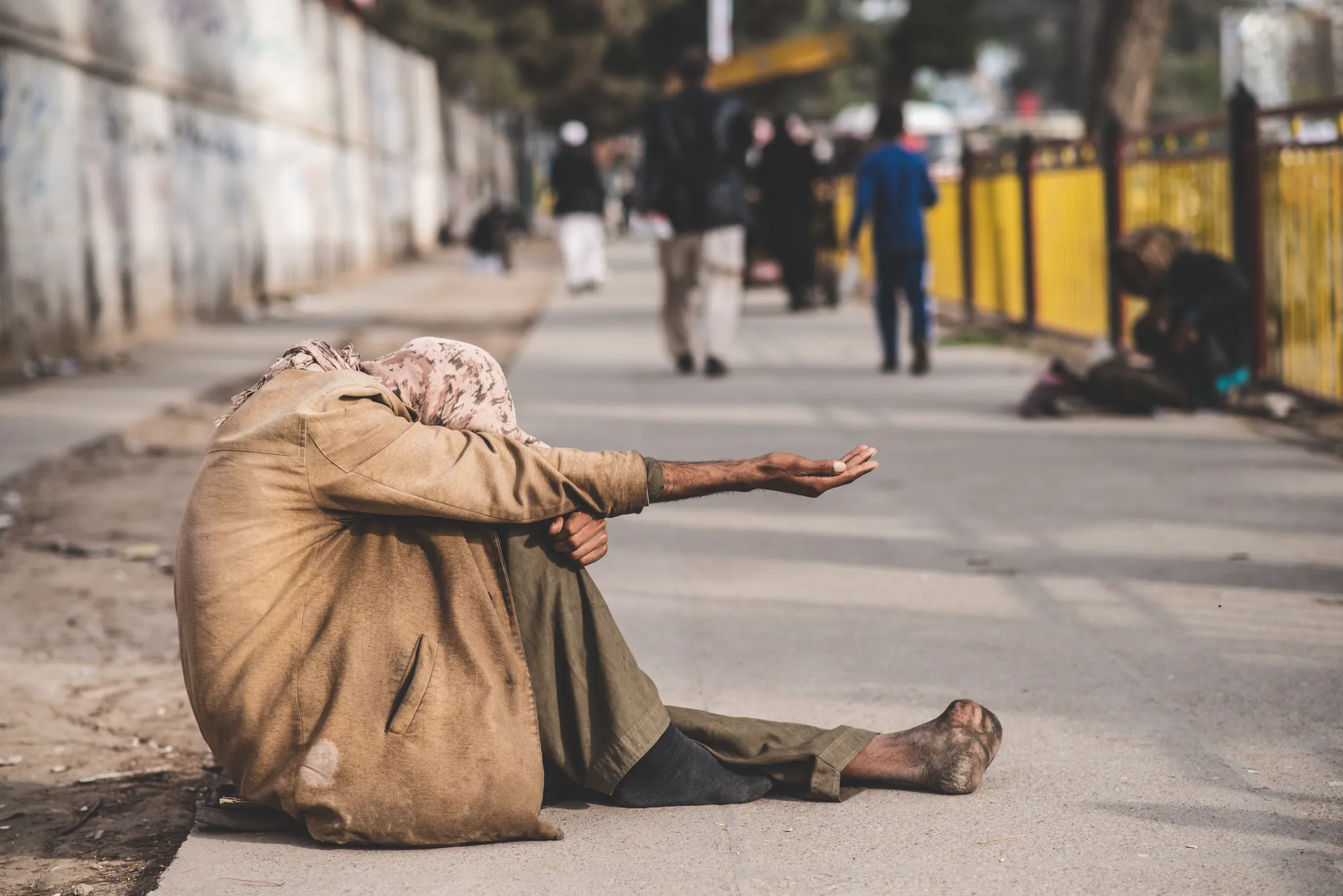
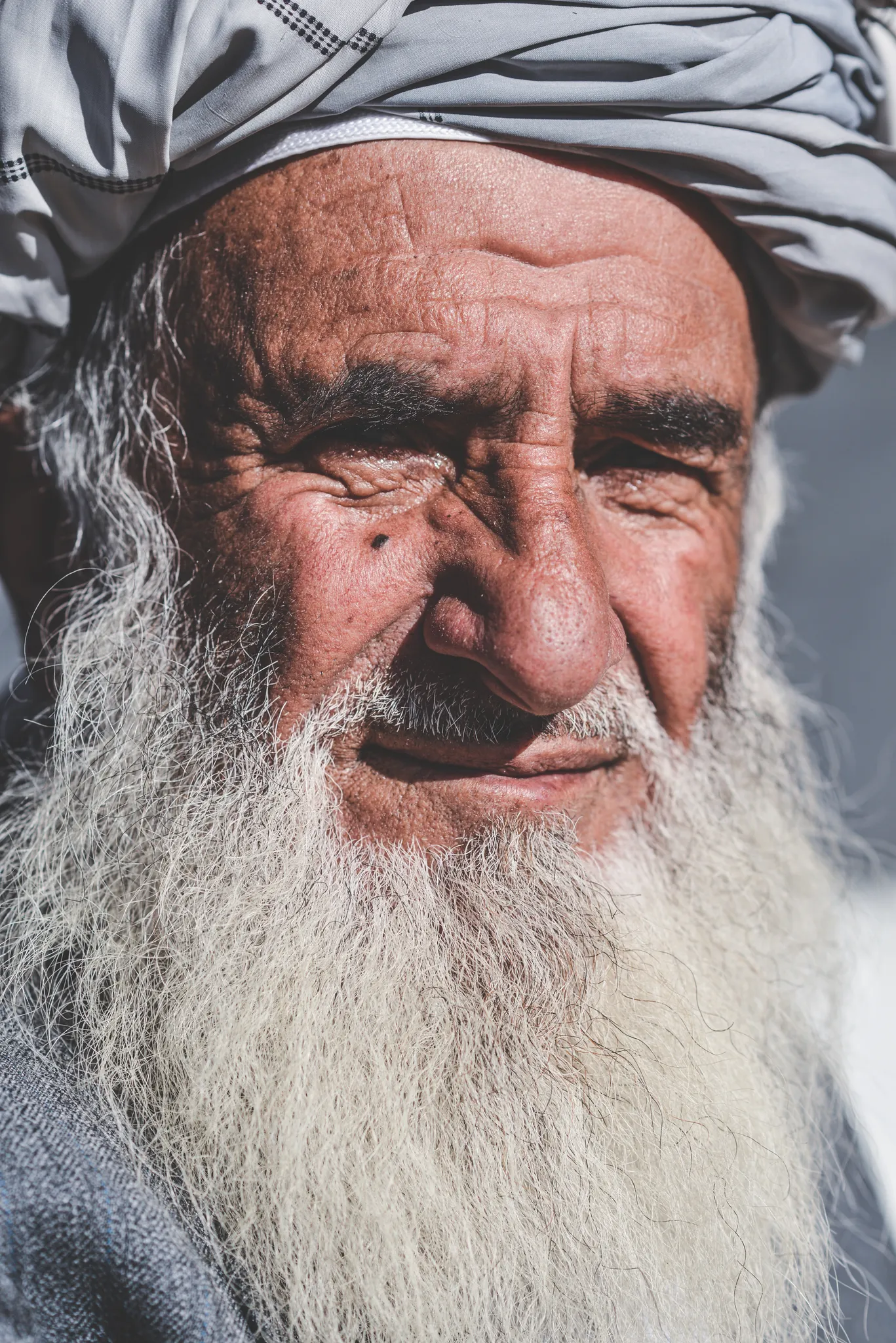
an old man begging at the roadside for coins.
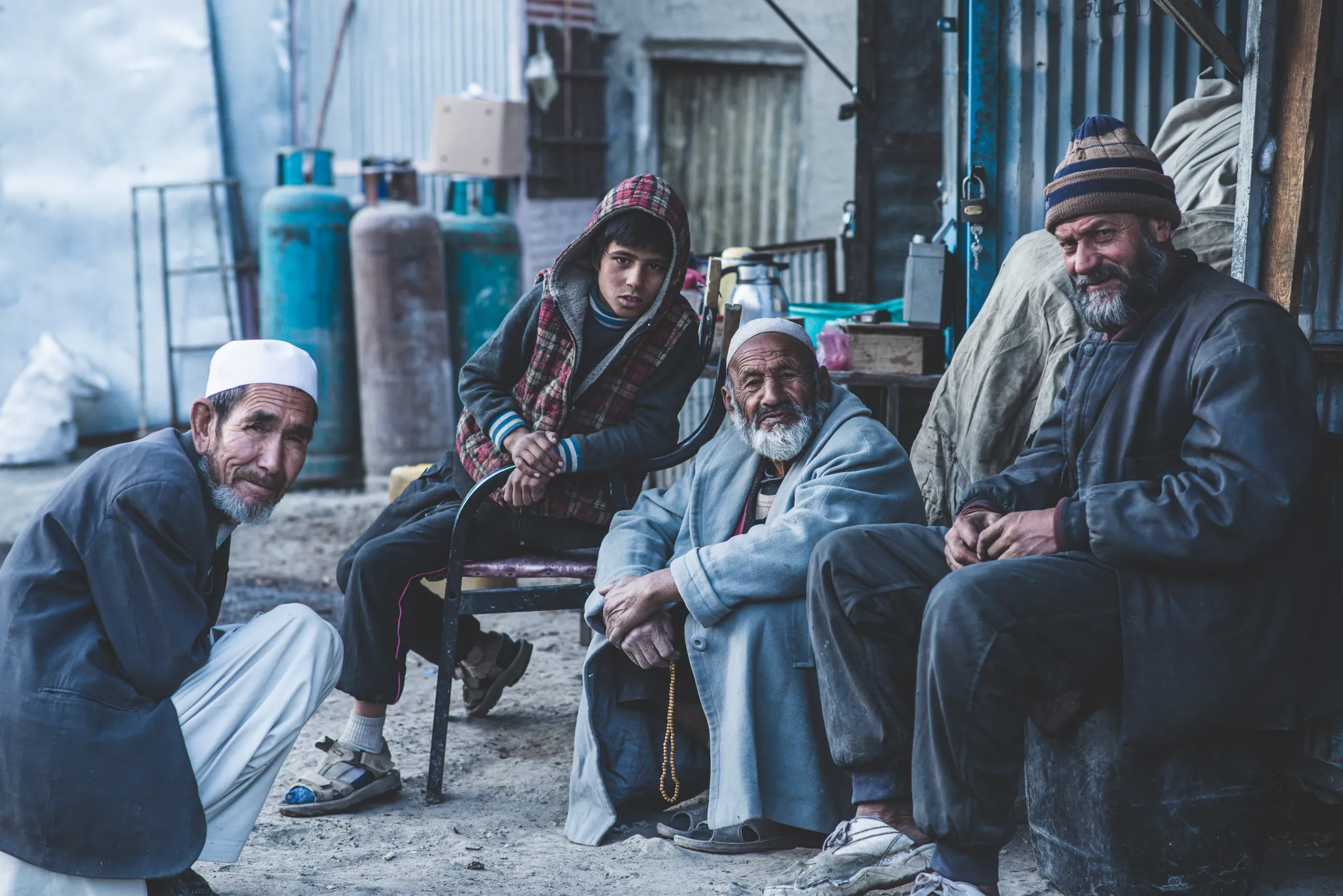
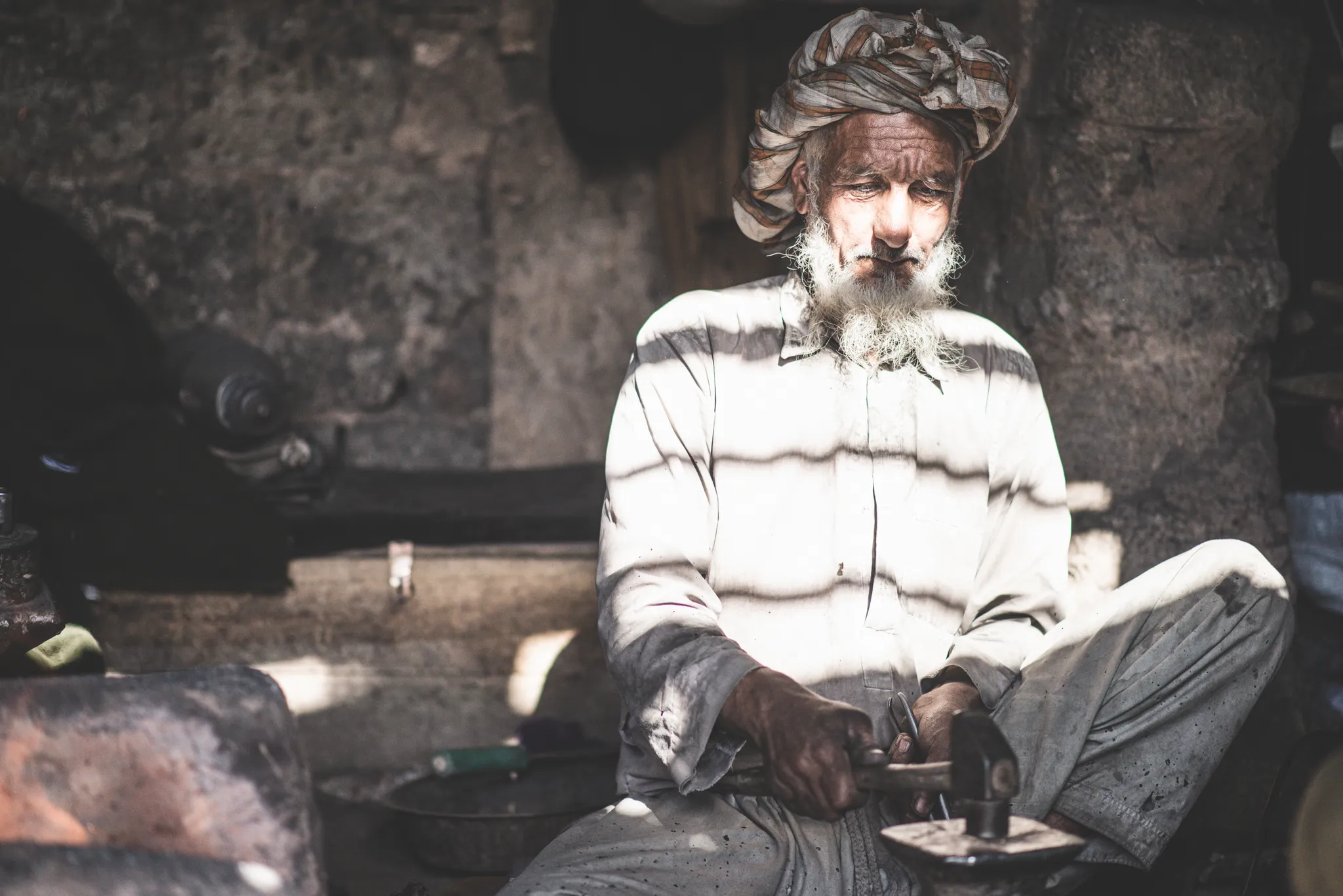
I stood in the midst of people each expressing their own life,
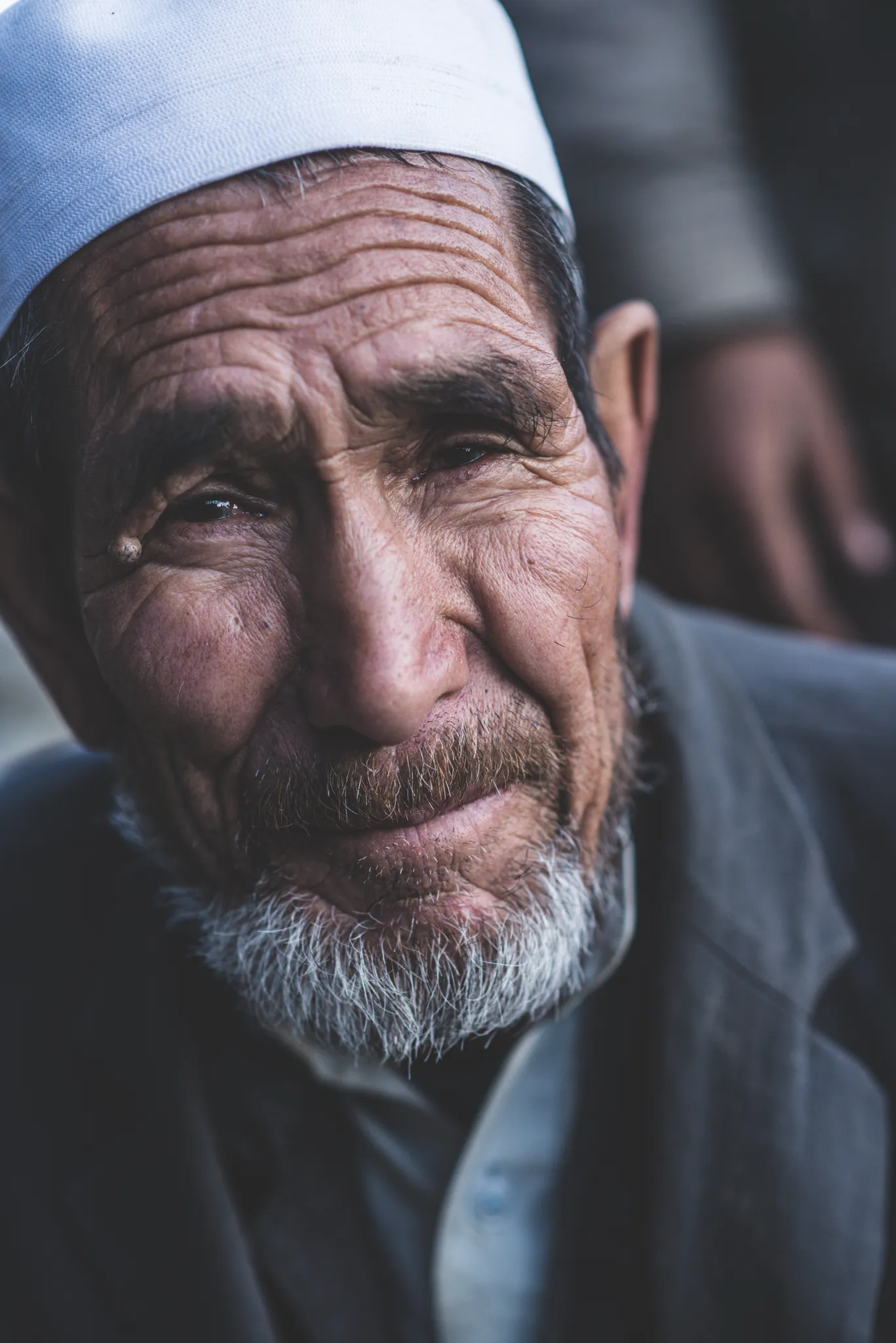
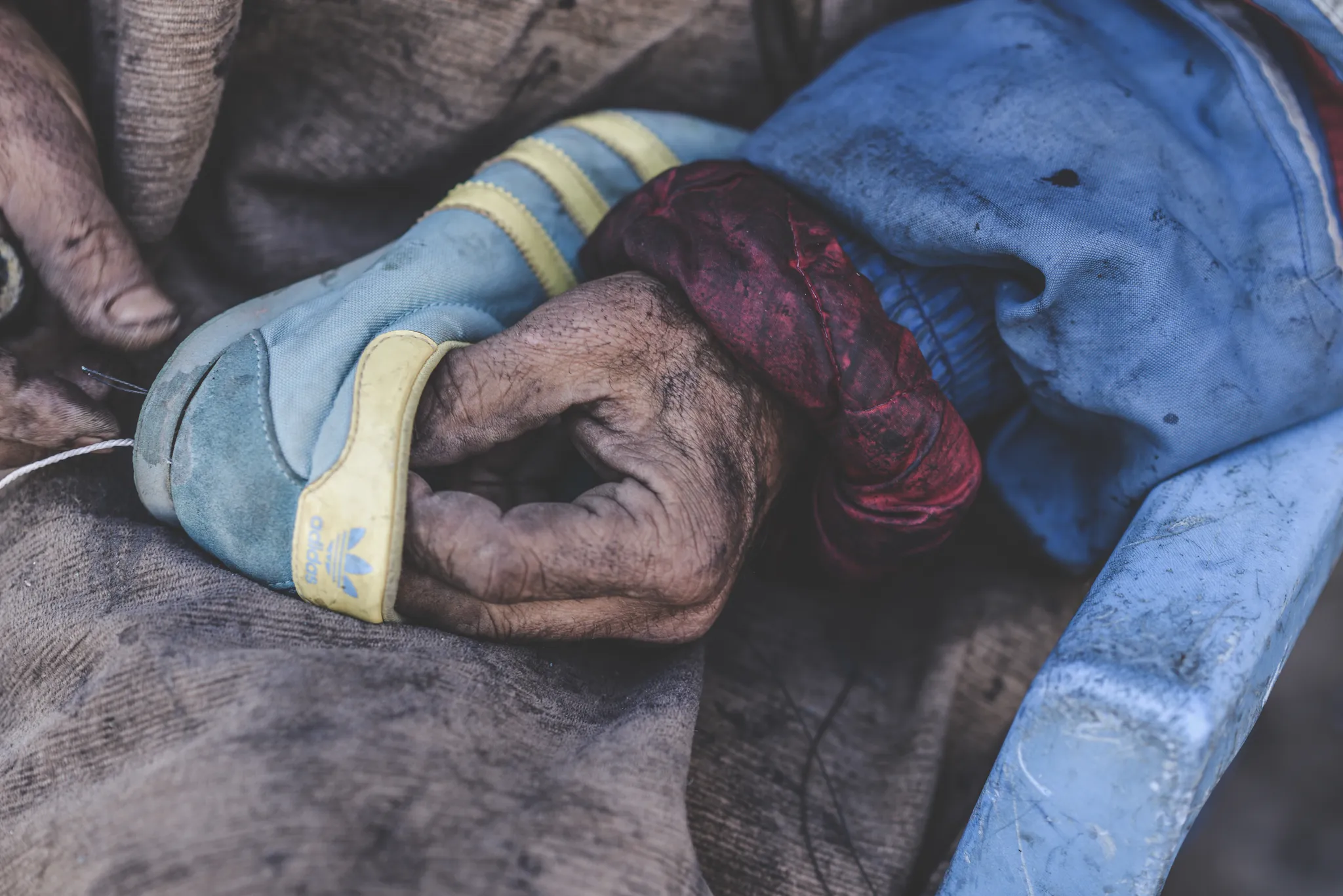
and their hands, their wrinkles, kept insisting, kept swimming.
Perhaps it is we who are about to drown in the torrent.
I visited Afghanistan in 2014. That year the long Karzai government came to an end and Ghani was elected president. With Ghani, often described as democratic and pro-American, in office, bombings led by the Taliban followed one another across the country. To the outside world things seemed calm for a while, but unease was swirling in the hearts of the Afghan people.
"America and the developed countries give us money, but they never teach us how to make it. This country will not change like this," said a man who runs a factory in Herat, in the west of Afghanistan. "We know the problem. We don't know the solution. In ten years, in twenty, this country may still be the same. We are desperate just to live today."
His words overlap with the captions of the news. In 2021, as American troops withdraw, the Taliban are expanding their power again. Twenty years after 2001, Afghanistan may be falling back into the same situation. What did these twenty years create, change, and leave behind? People cannot change people, and countries cannot change countries.
Living in Japan, our sense of self is invaded every day by an overflow of information. We see so much that we seem to know a great deal, yet perhaps we understand nothing. Swallowed by the unprecedented pandemic, we lose our way and stumble over why we work and why we live. In a river of fish that no longer assert their lives, we drift, holding our breath. The fish about to suffocate may have been me.
The Workers I saw in Afghanistan must still be asserting their lives with force. In a river growing ever more chaotic, their lives must be glittering in a faint ray of sunlight.
(2021)
Exhibited at KG+ 2021, Gallery Hakkaku, Kyoto